Shower Remodel Options: Walk-In, Tile, or Prefab - What's Best for Your Budget?
Planning a shower remodel is one of those home projects that sounds simple until you start shopping around. Suddenly you're staring at glass panels, tile samples, and acrylic kits, wondering which one actually makes sense for your home and your wallet. The truth is, every shower style comes with its own pros, cons, and price range, and picking the right one depends on more than just looks.
Whether you're updating a small guest bath or transforming the primary suite, understanding your three main options can save you thousands and a lot of second-guessing. Let's break down walk-in showers, custom tile showers, and prefab units so you can decide what fits your space, your goals, and your budget.
Why Your Shower Choice Matters More Than You Think
The shower is often the most-used feature in any bathroom. It influences daily comfort, water efficiency, and even your home's resale value. A well-planned bathroom renovation can return a strong portion of your investment when done right, especially in competitive housing markets like Nassau and Suffolk County.
Beyond resale, your shower affects accessibility, cleaning time, and how the entire bathroom feels. A cramped tub-shower combo can make a small bathroom feel even smaller, while a thoughtfully designed walk-in can open up the whole space. That's why choosing between walk-in showers, custom tile showers, and prefabricated shower units deserves real thought before you swing a hammer.
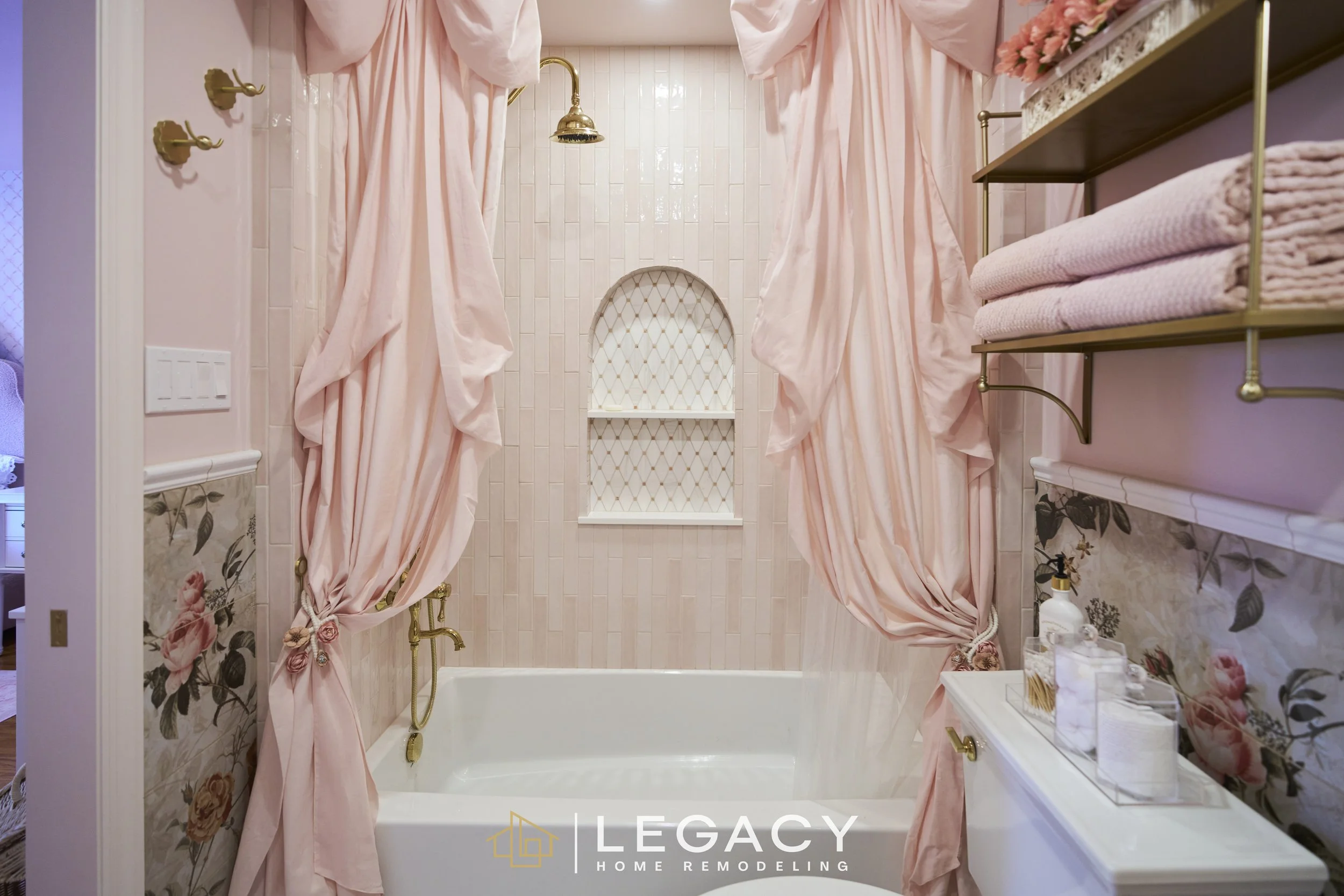
Option 1: Walk-In Showers
Walk-in showers have become the most requested style in modern bathroom design, and for good reason. They offer a clean, open look that works in nearly any layout. For homeowners seeking an even more open design, a wet room is another option that combines a curbless shower with a fully waterproofed bathroom.
What makes them popular:
Curbless entry options for easy access and aging-in-place design
Frameless glass enclosures that create a spacious feel
Compatible with rain showerheads, body jets, and bench seating
Excellent for luxury bathroom upgrades and primary suites
Budget considerations: Walk-in showers fall into a middle-to-high price range depending on the materials you choose. A simple walk-in with basic tile and a glass panel sits on the lower end, while a fully customized zero-threshold shower with premium fixtures lands at the higher end. Plumbing relocation, waterproofing, and proper slope work all add to the total.
Best for Homeowners who want a modern, accessible, and visually open bathroom and are willing to invest in long-term style and function.
Option 2: Custom Tile Showers
If you want something truly one-of-a-kind, custom tile showers are hard to beat. This is where you can flex your design eye, mixing porcelain, ceramic, natural stone, or mosaic tiles to match your exact vision.
Why homeowners love tile:
Endless design flexibility with patterns, colors, and textures
Long-lasting durability when installed and sealed properly
Adds noticeable value to your home
Works beautifully with niche shelving, accent walls, and heated flooring
Budget considerations: Tile is usually the most expensive of the three options. The cost adds up because of materials, waterproof membranes, grout work, and the labor-intensive installation. Skilled tile setters charge a premium because the work demands precision. Cutting corners on installation almost always leads to leaks, cracks, or mildew problems down the line, so this is one area where quality craftsmanship pays for itself.
Best for: Homeowners who view their bathroom as a personal retreat and want a high-end, fully customized finish that lasts decades.
Option 3: Prefab Shower Units
Prefabricated shower kits, sometimes called acrylic or fiberglass shower stalls, are the budget-friendly choice for many homeowners. These units come pre-molded in standard sizes and install relatively quickly.
Where they shine:
Lowest upfront cost of the three options
Faster installation, which lowers labor costs
Seamless construction means fewer spots for mold and grout issues.
Great for rental properties, guest bathrooms, and basement bathrooms
Budget considerations: Prefab units are the most affordable shower remodel option overall. You save on materials and labor since there's no tiling involved. The trade-off is limited design choices and a less premium feel. Most prefab units also have a shorter lifespan than tile, though higher-end acrylic models can last many years with proper care.
Best for: Homeowners working with a tighter budget, landlords updating rental units, or anyone needing a fast, functional bathroom refresh.
Comparing the Three at a Glance
When you stack them side by side, here's how they generally line up:
Prefab units: Most affordable, fastest install, limited customization
Walk-in showers: Mid-to-high budget, modern look, strong resale appeal
Custom tile showers: Highest cost, fully personalized, longest-lasting style statement
Your final pick should balance your budget with how long you plan to stay in the home, how much you use the bathroom, and whether resale value matters to you.
Hidden Costs to Watch For
Many homeowners forget that a shower replacement involves more than just the unit itself. Things like plumbing rerouting, updated drainage, waterproof membranes, vapor barriers, and proper ventilation all factor into the final price. Older homes especially may need electrical or framing updates to bring everything up to the current code.
This is why working with experienced bathroom remodeling contractors matters. A trained eye catches problems early, prevents costly surprises, and ensures your investment lasts.
How to Choose the Right Shower for Your Home
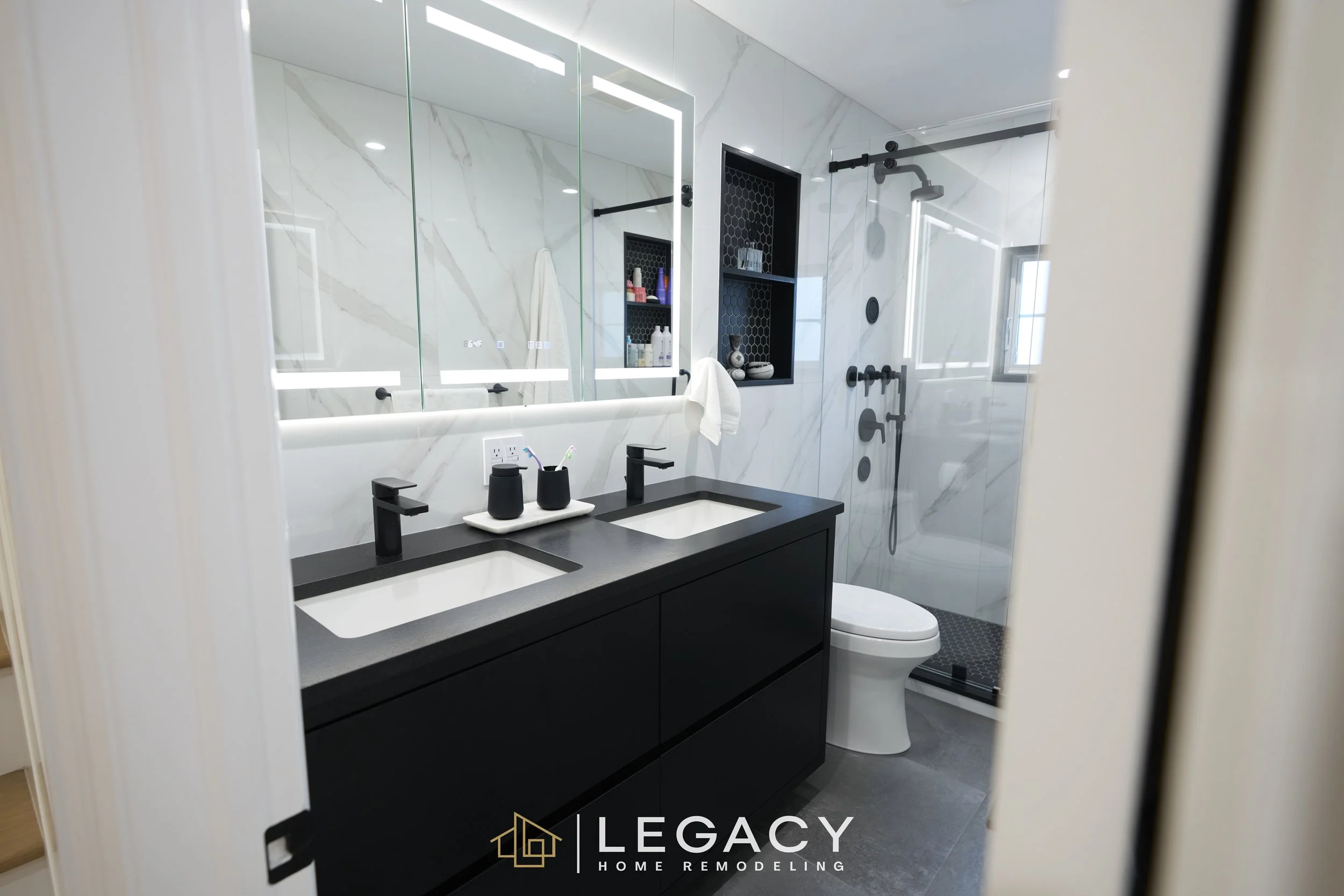
Ask yourself a few honest questions:
How long do I plan to live in this home?
Do I want a quick refresh or a full upgrade?
Is accessibility important now or in the future?
How much daily use will this shower get?
What style fits the rest of my bathroom?
Your answers will guide you toward the right balance of cost, function, and design.
Frequently Asked Questions
Q1. How long does a shower remodel usually take?
A standard bathroom remodel typically runs 2 to 3 weeks, while larger bathrooms can take 3 weeks or more depending on the scope of work and material lead times.
Q2. Are walk-in showers better than tubs for resale?
In most markets, yes. Walk-in showers appeal to modern buyers, but having at least one tub in the home is still recommended for families with young children.
Q3. Can I convert a tub into a walk-in shower?
Absolutely. Many homeowners choose tub-to-shower conversions to gain more space and improve accessibility. The process usually requires plumbing adjustments and new waterproofing.
Q4. Do tile showers leak more than prefab ones?
Only when poorly installed. Properly sealed and waterproofed tile showers can last for decades without issues, which is why professional installation is essential.
Q5. How do I get an accurate estimate for my shower remodel?
The best way is to schedule a free consultation. A contractor can assess your bathroom layout, plumbing, and design goals before giving you a realistic estimate.
Ready to Start Your Shower Remodel?
Choosing the right shower is the first step toward a bathroom you'll actually enjoy walking into every morning. Whether you're leaning toward a sleek walk-in, a fully custom tile design, or a budget-friendly prefab unit, Legacy Home Remodeling is here to help you make the right call.
With three generations of craftsmanship behind every project across Nassau and Suffolk County, we deliver quality work, clear communication, and finishes that stand the test of time. Contact us today to schedule your free in-home estimate, and let's start building the bathroom you've been picturing.