How to Remodel a Basement with Low Ceilings: Solutions That Work
Low ceilings can make any basement feel cramped, dark, and uninviting. But here's the good news: with the right design choices and a smart remodeling plan, even a basement with limited overhead space can transform into one of the most loved areas in your home. Whether you're dreaming of a cozy family lounge, a home office, a guest suite, or a play area for the kids, your low-ceiling basement has more potential than you think.
If you've been staring at that unfinished space wondering whether it's worth the trouble, this guide will walk you through practical, real-world solutions that actually work. Let's dig into how you can turn those tight quarters into a beautiful, functional retreat.
Why Low Ceilings Shouldn't Stop You From Remodeling
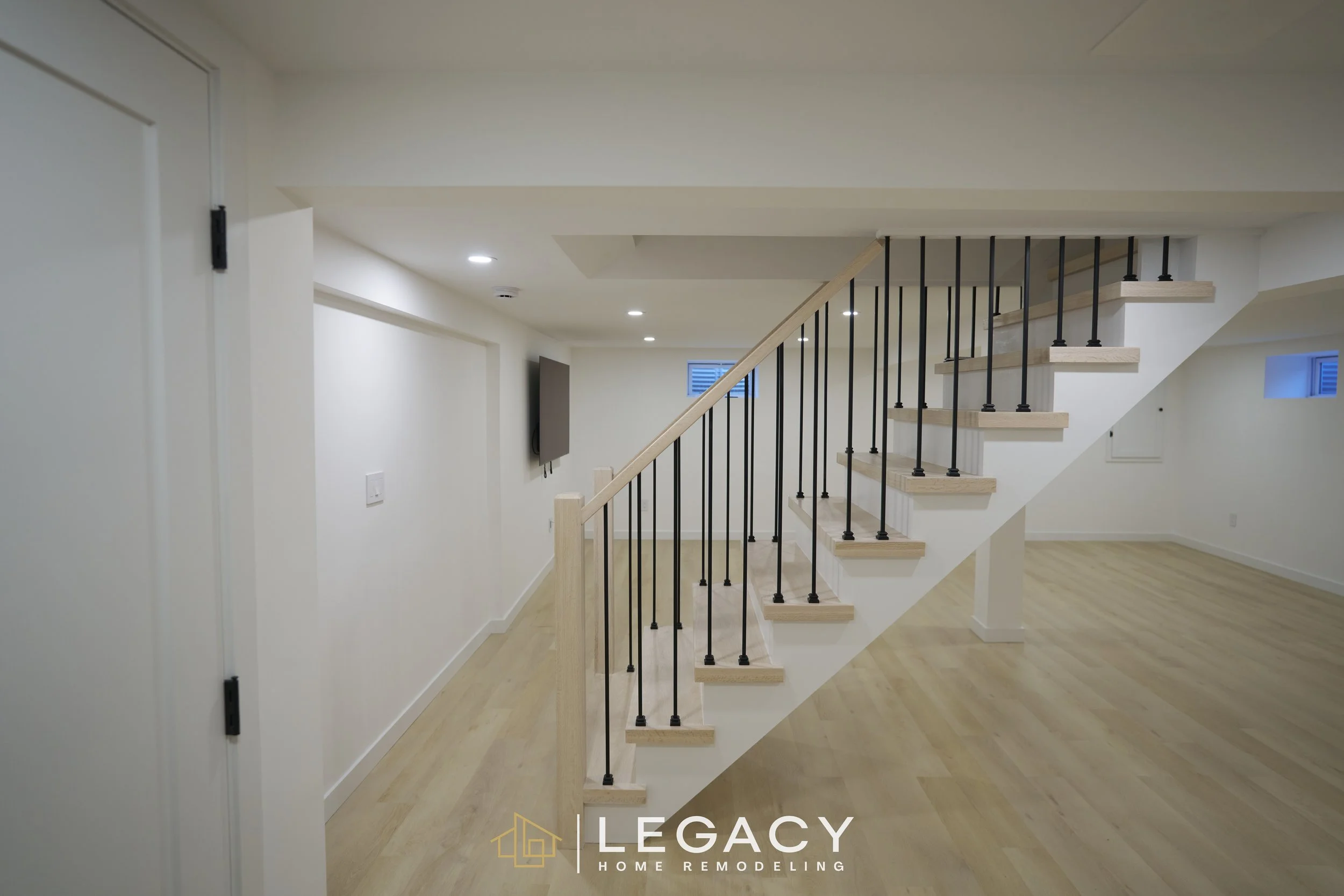
Most older homes in New York were built when basements served as storage or utility zones, not living spaces. That's why ceiling heights often hover between six and seven feet, well below the standard eight-foot mark. But ceiling height isn't the only factor that determines whether a basement feels welcoming. Lighting, layout, color palette, and material choices all play a much bigger role than people realize.
A thoughtful basement renovation can make a low-ceiling space feel open, airy, and surprisingly spacious. The key is knowing where to invest your effort and where to get creative. While a basement remodel is often the best way to maximize existing space, some homeowners also consider a dormer addition when planning to expand their living area elsewhere in the home.
Start by Measuring and Understanding Local Codes.
Before swinging a hammer, measure your ceiling height in multiple spots. Basements often have uneven heights due to ductwork, beams, and pipes. In New York, most municipalities require a minimum ceiling height of seven feet for a basement to be considered a legal living space, though this varies by town.
Check with your local building department or work with a licensed general contractor who understands Nassau and Suffolk County code requirements. Skipping this step can lead to costly do-overs later.
Solution 1: Rethink the Ceiling Itself
The ceiling is the obvious starting point. Instead of installing a traditional drop ceiling, which can steal several inches of headroom, consider these alternatives:
Exposed ceilings have become a popular design trend. By painting the joists, ductwork, and pipes a single color (white, charcoal, or matte black work beautifully), you reclaim every inch of vertical space while adding an industrial-chic vibe. Flat drywall ceilings offer a cleaner, more traditional look and only require a couple of inches of clearance. They also make the space feel more like the rest of your home rather than a finished basement. If you must use a drop ceiling for soundproofing or access to plumbing, opt for low-profile suspension systems that hang just half an inch below the joists.
Solution 2: Reroute Mechanicals Where Possible
Ductwork, plumbing, and electrical lines often hang lower than the joists themselves, creating those frustrating low spots. A skilled remodeling contractor can sometimes reroute these systems to run alongside walls or within soffits, freeing up valuable headroom in the main living area. This is one of the most impactful changes you can make. It's not always cheap, but it can add six to twelve inches of usable height in key zones.
Solution 3: Use Lighting to Create the Illusion of Height
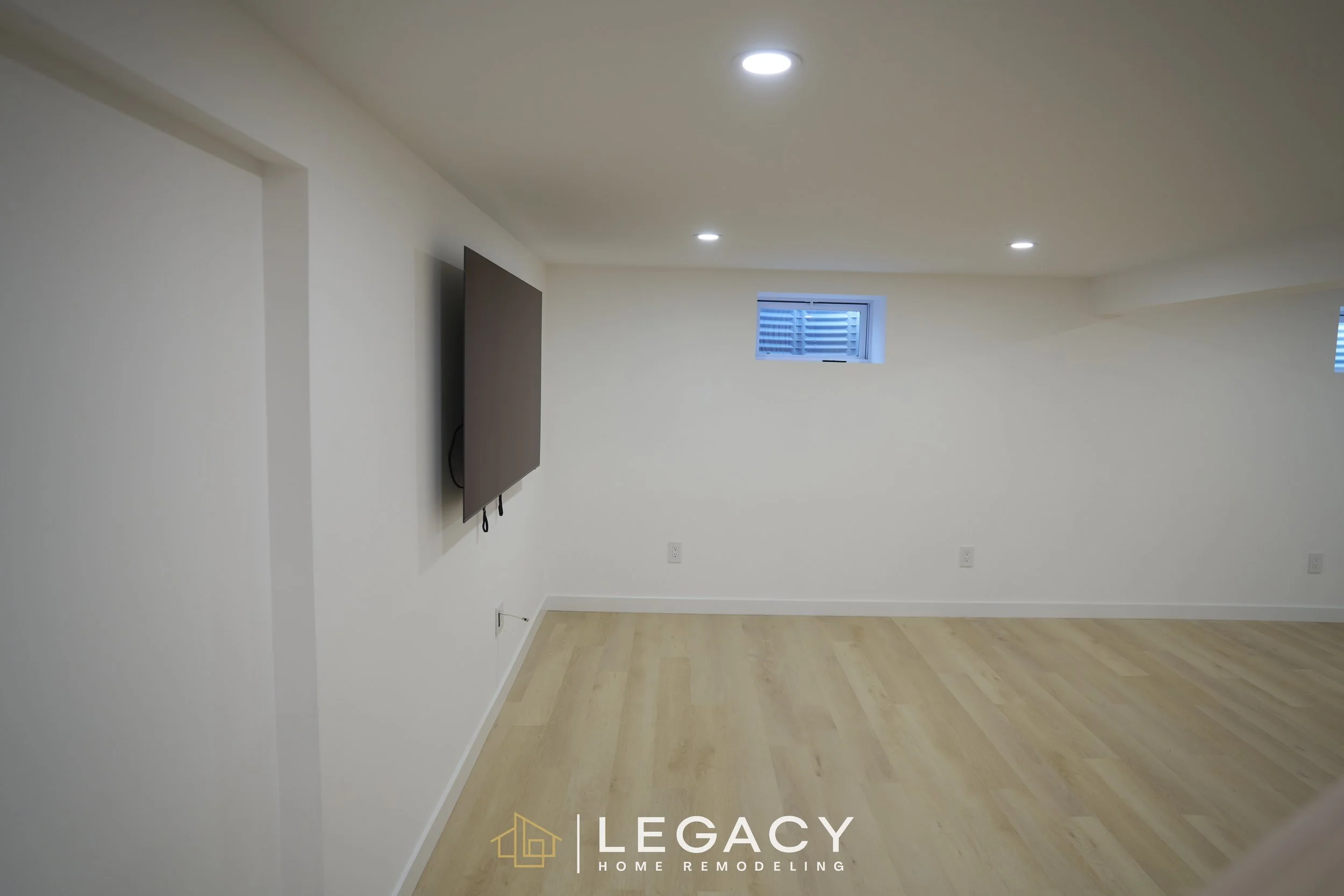
Lighting is your secret weapon. Recessed lighting, also called "can lights," sits flush with the ceiling and adds zero visual bulk. Spread them evenly across the room to eliminate shadows and create a bright, open atmosphere.
Avoid pendant lights, chandeliers, or anything that hangs down. Instead, use wall sconces, floor lamps, and LED strip lighting along the perimeter of the ceiling to draw the eye outward rather than upward. Layered lighting with dimmers gives you flexibility for different moods and activities. Maximize any natural light you can get. Enlarging existing windows or adding egress windows not only brings in sunlight but also improves safety and may be required if you're creating a bedroom.
Solution 4: Choose Colors and Finishes Wisely
Light, neutral colors reflect light and make ceilings appear taller. Whites, soft grays, warm beiges, and pale blues are excellent choices for walls. Painting the ceiling the same color as the walls, or even a shade lighter, blurs the boundary and visually lifts the space. Glossy or satin finishes bounce light around the room, while matte finishes absorb it. For low-ceiling basements, a slight sheen on the ceiling can work wonders.
Solution 5: Pick the Right Flooring
Skip thick carpet pads or raised subfloor systems that eat into your headroom. Instead, go with luxury vinyl plank (LVP), engineered hardwood, or polished concrete. These options are slim, durable, moisture-resistant, and perfect for basement environments. Running floor planks lengthwise across the longest wall also tricks the eye into perceiving more space.
Solution 6: Scale Your Furniture Smartly
Low-profile furniture is a game changer. Choose sofas, beds, and tables that sit closer to the ground. This increases the visual distance between the furniture and ceiling, making the room feel taller. Built-in storage, wall-mounted shelving, and vertical paneling can also draw the eye upward without crowding the floor.
Solution 7: Plan the Layout for Flow and Function
Open layouts work better than chopped-up rooms in low-ceiling basements. If you need separate zones, use half walls, glass partitions, or area rugs to define spaces without blocking sightlines. Think about how your family will actually use the space. A basement family room, home gym, media room, or in-law suite each has different needs, and a smart layout maximizes both comfort and functionality.
Why Professional Help Matters
A basement remodel involves more than just paint and flooring. Waterproofing, insulation, electrical work, HVAC adjustments, and permit compliance all require experienced hands. Working with seasoned remodeling contractors ensures your investment is protected and the finished space adds real value to your home.
Frequently Asked Questions
1. What is the minimum ceiling height for a finished basement in New York?
Most New York municipalities require at least seven feet of ceiling height for a basement to qualify as legal living space. Always confirm with your local building department.
2. How long does a basement remodel typically take?
A standard basement remodel of up to 1,000 square feet generally takes around four to six weeks, depending on the scope and complexity of the project.
3. Can I add a bedroom in a low-ceiling basement?
Yes, but you'll need to meet local code requirements, including ceiling height minimums and an egress window for safe exit in case of emergency.
4. Will a low-ceiling basement remodel add value to my home?
Absolutely. A well-finished basement adds usable square footage, which boosts both your home's resale value and everyday livability.
5. How do I prevent moisture issues in a finished basement?
Proper waterproofing, vapor barriers, sump pumps, and moisture-resistant materials are essential. A professional contractor will assess your space and recommend the right solutions.
Ready to Reimagine Your Basement?
Your low-ceiling basement doesn't have to stay an afterthought. With the right design strategy and a trusted team behind you, it can become the most exciting room in your home. Our craftsmen bring three generations of experience to every project across Nassau and Suffolk County, delivering thoughtful planning, honest communication, and finishes that stand the test of time. Reach out today for a free design consultation and let's start building the basement you've always pictured. Your dream space is just a conversation away.