Custom New Construction Home: What to Expect at Every Stage of the Build
Building a custom home from the ground up is one of the biggest decisions you will ever make. It is exciting, but if you have never been through the process before, it can also feel overwhelming. There are permits to pull, timelines to track, subcontractors to coordinate, and dozens of decisions waiting at every turn. Knowing what to expect at each stage takes the guesswork out of the journey and helps you feel confident from day one.
This guide walks you through every phase of a custom new construction build, so you are never caught off guard.
Stage 1: Pre-Construction Planning and Design
Before construction begins, extensive pre-construction planning takes place behind the scenes. Your builder works with you to finalize the home design, review blueprints, and address zoning and land-use requirements. This stage is especially important for buyers interested in new construction homes in Nassau County, as it helps ensure the project meets local regulations and aligns with their vision for the property. This phase also includes site surveys, soil testing, and utility assessments, which help identify drainage issues or soil conditions that may impact the foundation. You will also confirm material selections, preferred layouts, structural customizations, and features like a shed dormer if included in the design. Making decisions early helps reduce costly change orders later, which often delay timelines. Permit approvals can take several weeks or even months depending on the municipality. Throughout this process, your builder should manage approvals, coordinate planning details, and keep you informed to ensure the project stays organized and on schedule.
Stage 2: Site Preparation and Foundation Work
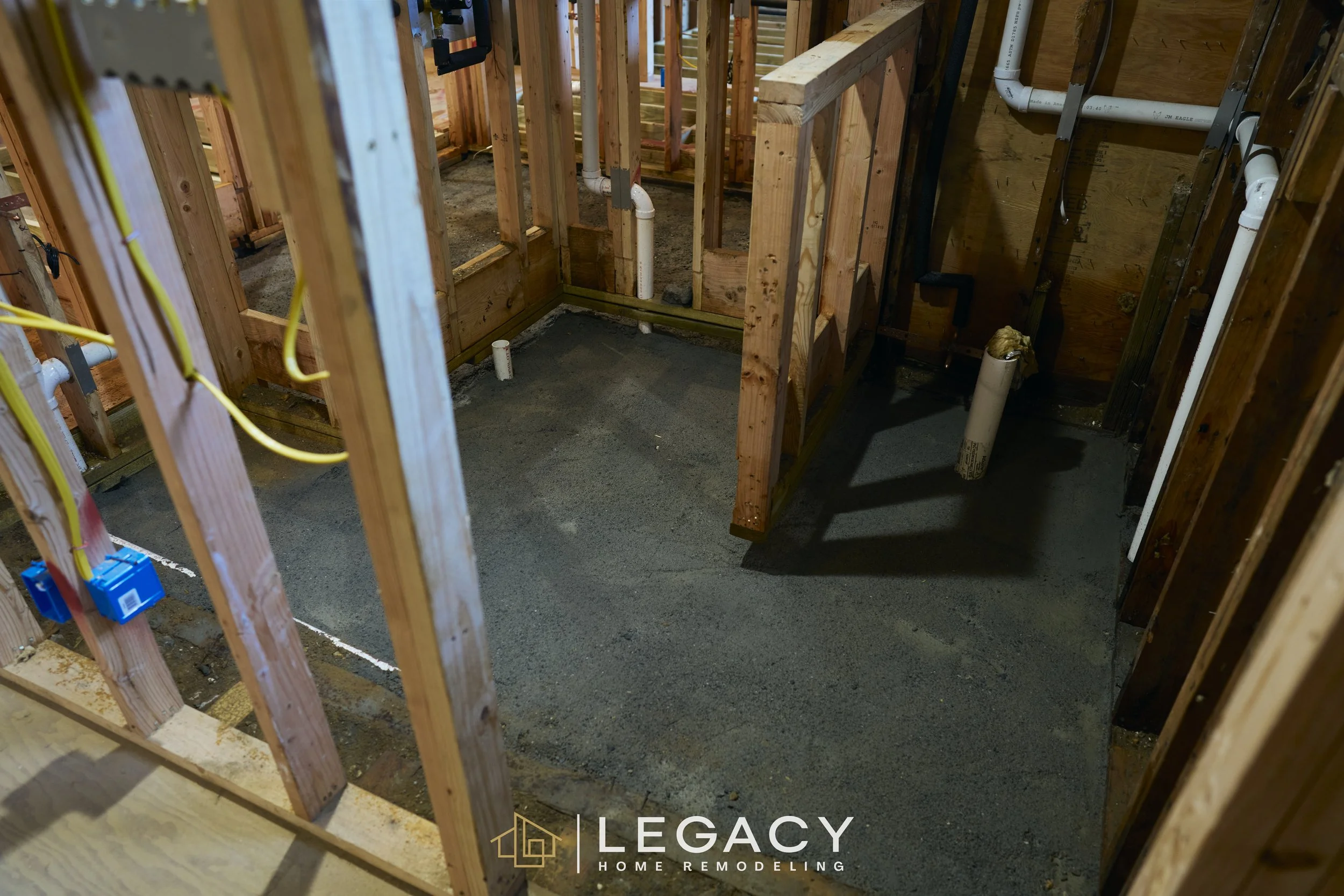
Once permits are approved, the physical work begins. Site preparation involves clearing the land, grading the soil, and setting up the proper drainage systems. This stage sets the tone for everything that follows, because an uneven or poorly prepared site can create structural problems years down the road. After the site is ready, your crew will move into foundation construction. Depending on your home design, this may involve a full basement, a crawl space, or a slab foundation. Concrete is poured, inspected, and given adequate time to cure before the frame goes up.
This stage is where many homeowners get their first real sense of scale. Seeing the outline of your home marked out on the ground is a genuinely exciting moment.
Stage 3: Framing
Structural framing is when your home begins to take visible shape. Walls go up, the roof structure is built, and suddenly that flat piece of land starts looking like an actual house. This phase moves quickly when the weather cooperates. Framing includes the installation of sheathing on the walls and roof, which helps protect the structure while work continues inside. Openings for windows and doors are also cut and framed during this stage.
A quality frame is non-negotiable. It supports every system in your home, from the HVAC ductwork running through the walls to the electrical wiring and plumbing pipes. If the frame is off, everything else will be too.
Stage 4: Mechanical Rough-Ins
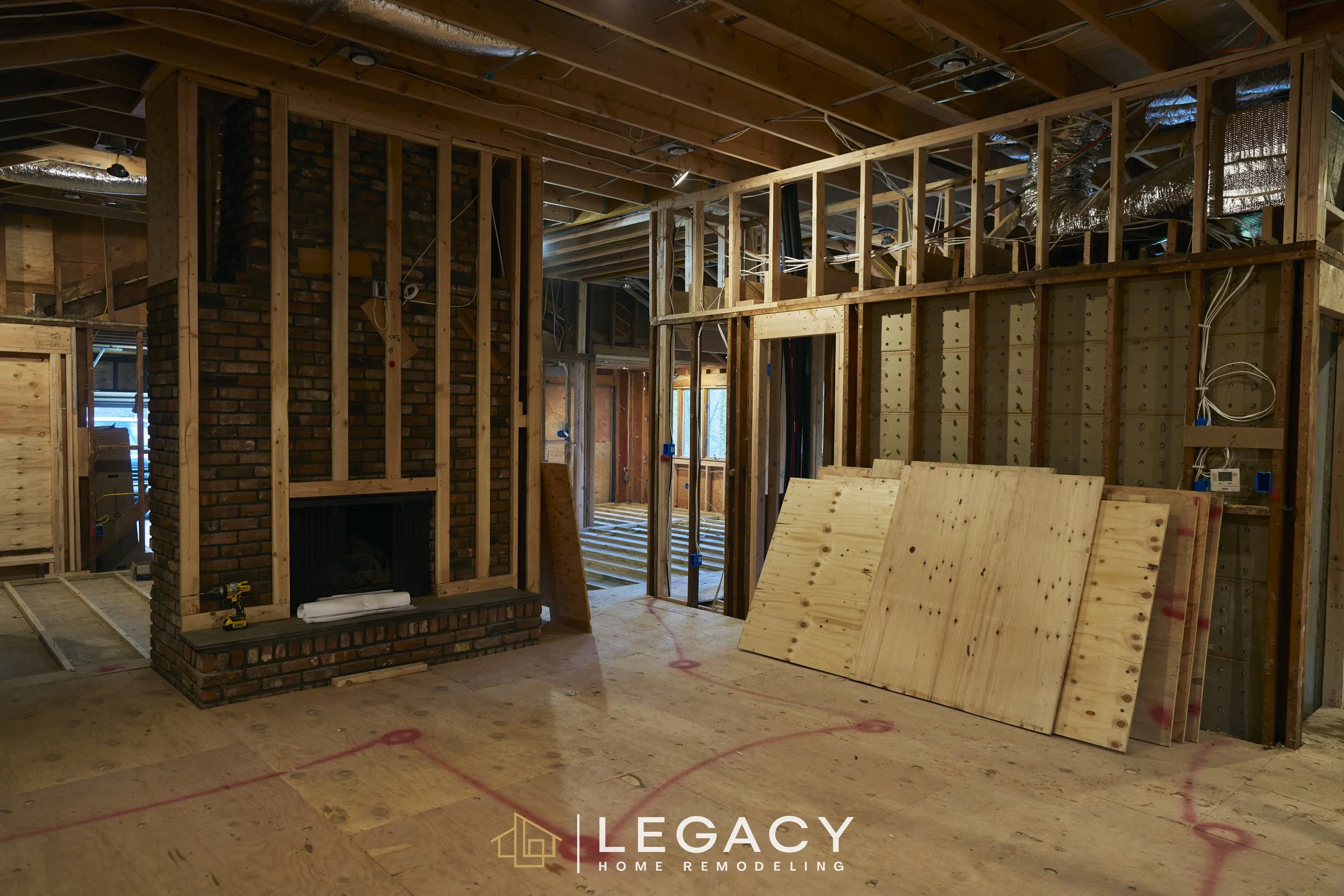
With the frame standing, your home is ready for mechanical rough-in work. This covers three critical systems: plumbing, electrical, and HVAC. Licensed subcontractors run pipes, wiring, and ductwork through the walls and ceilings before insulation or drywall goes in. This is a stage where decisions you made during the design phase really start to matter. Where you placed your kitchen, how many bathrooms you planned, whether you wanted radiant floor heating—all of that gets built into the structure now. The same is true if your plans include an open concept first floor, as the layout influences plumbing, electrical, and structural work.
Inspections are required at this stage in most jurisdictions, and they need to pass before work can move forward. A good general contractor will have these scheduled in advance so there is no waiting around.
Stage 5: Insulation and Drywall
After rough-ins are inspected and approved, insulation is installed throughout the home. The type of insulation chosen affects your home's energy efficiency, soundproofing, and long-term comfort. Spray foam, blown-in, and batt insulation each have their place depending on the area of the home and the performance goals.
Drywall installation follows, and this is one of the more labor-intensive stages of the build. Sheets are hung, screwed, taped, mudded, and sanded smooth. The finishing work on drywall takes patience and skill. When done well, you will never know it is there. When done poorly, every imperfection catches light and attention.
Stage 6: Interior Finishes
This is the stage most homeowners look forward to the most. Interior finishes bring your selections to life. Flooring goes down, cabinets are installed, trim work is applied, paint goes on the walls, and fixtures are set in place. Many of these same finishing steps also apply when remodeling a basement.
Kitchen and bathroom installations happen during this phase, and the quality of craftsmanship here is immediately visible. Tile work, countertop installation, cabinet alignment, and fixture placement all come together to define how your home actually looks and feels to live in. Attention to detail in this stage separates a well-built custom home from one that just looks good in photos.
Stage 7: Final Mechanical Connections and Systems Testing
Once finishes are in place, plumbers and electricians return to complete their work. Fixtures are connected, outlets and switches are finalized, HVAC equipment is set and tested, and all systems are run through a full commissioning process to make sure everything works as it should. This is also when your home's energy systems, water heaters, ventilation fans, and appliances get connected and tested. Do not skip this step or rush it. Finding a problem here is far less costly than discovering it after you have moved in.
Stage 8: Final Inspections and Certificate of Occupancy
Before moving in, your new home must pass a final inspection by the local building department. Inspectors check structural components, safety systems, mechanical work, exits, and smoke and carbon monoxide detectors. Once approved, you receive a Certificate of Occupancy, which allows you to legally move in. Before this stage, your builder should complete a walkthrough with you to create a punch list of any unfinished or incorrect items. A reliable contractor will fix all listed issues before closing the project. For a knockdown and rebuild, expect the construction process to take around five to six months or longer, depending on permits, weather, materials, and design complexity.
FAQ
How long does a custom new construction home typically take to build?
A full knockdown and new construction build generally takes five to six months or longer, depending on the size of the home, the complexity of the design, and local permit timelines. Larger or more detailed projects will naturally require more time.
What decisions do I need to make before construction begins?
Before breaking ground, you should finalize your floor plan, material selections, fixture choices, and any structural customizations. The more decisions locked in during the planning phase, the fewer costly change orders you will encounter mid-build.
What is a punch list and why does it matter?
A punch list is a documented checklist of remaining tasks or corrections that need to be completed before a project is considered officially finished. It protects you as the homeowner and ensures nothing gets overlooked at the end of the build.
How do I know if a contractor is qualified to handle new construction?
Look for a licensed general contractor with verifiable experience in residential new construction. Ask to see past projects, check references, and confirm they handle permitting, inspections, and subcontractor coordination in-house or through established relationships.
What is a certificate of occupancy, and when do I receive it?
A Certificate of Occupancy is an official document issued by your local municipality confirming that your new home meets all building codes and is safe to inhabit. You receive it after your home passes its final inspection, which happens at the end of the construction process.
Conclusion
Building a custom home is a major investment of time, money, and trust. Every stage of the process demands skilled hands, clear communication, and a contractor who shows up and delivers on their word. At Legacy Home Remodeling, we bring three generations of craftsmanship to every project we take on. Serving Nassau and Suffolk Counties, our team manages every phase of the build with precision, transparency, and genuine care for the finished result. We believe you should feel informed and confident at every step, not left wondering what happens next.
If you are ready to start planning your custom new construction home, we would love to talk through your vision and help you map out a clear path forward. Contact us today to request pricing for free and take the first real step toward the home you have been planning.