How to Avoid Budget Overruns in Large Projects
Every successful home remodeling project starts long before the first hammer swings. Renovation planning acts as your shield against unexpected expenses, especially when exploring whole house remodeling ideas that involve multiple spaces and design elements. When you rush into a large-scale renovation, you often overlook small details that carry heavy price tags.
A solid plan involves identifying your non-negotiables versus your "nice-to-haves." By establishing these priorities early, you can make informed decisions when faced with mid-project choices. For Oceanside residents, this also means considering local building codes and permit requirements, which can impact your initial cost estimation.
How to Set a Realistic Remodeling Budget
Setting a home remodeling budget requires more than just picking a number that feels comfortable. You need to base your figures on current construction costs and the specific needs of your property.
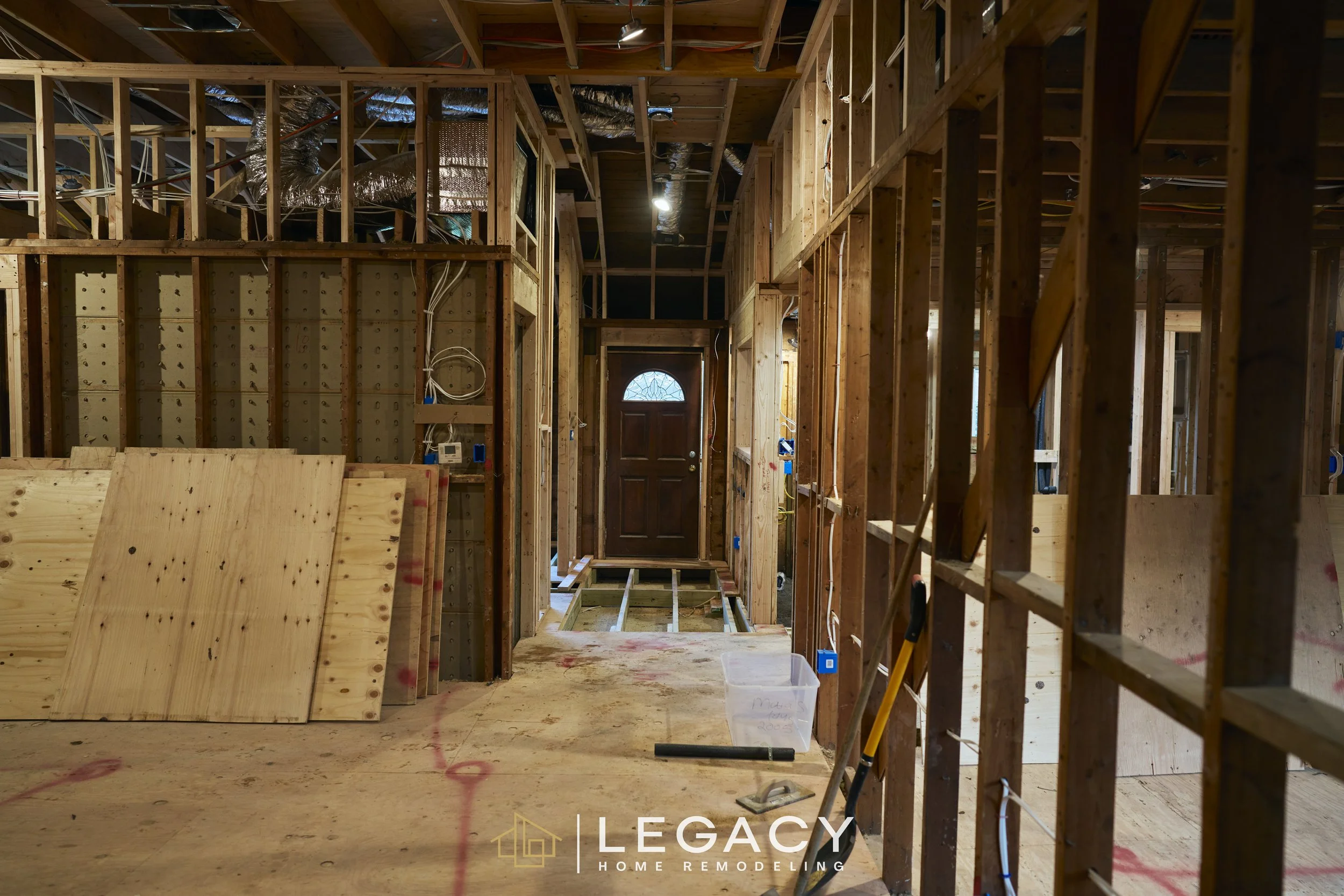
Research Local Trends: Look at what similar projects in Nassau County are costing.
Get Detailed Quotes: Avoid "ballpark" figures. Ensure your contractor agreement includes specific line items.
The 20% Rule: Always set aside a contingency fund of at least 20 percent of the total remodeling budget. This creates a safety net for structural surprises or hidden pipe issues.
Scope Creep: The #1 Reason Remodeling Budgets Spiral Out of Control
Project scope refers to the specific work agreed upon at the start. Budget overruns often happen because of scope creep, which occurs when you add "just one more thing" during the construction phase. Perhaps you decided to upgrade the guest bathroom while the kitchen was being gutted.
While these additions seem small at the time, they require more labor, more materials, and more time. To maintain renovation cost control, stick to the original plan and maintain design consistency at home to avoid unnecessary revisions. If you must make changes, document them through a formal change order so you see the immediate impact on your bottom line.
Cost Breakdown of Large Remodeling Projects: Where Your Money Really Goes
Understanding where your investment is allocated helps in remodeling cost planning. Generally, your budget is split into several key categories:
Labor: Skilled trades like electricians, plumbers, and carpenters.
Materials: Flooring, cabinetry, countertops, and hardware.
Permits and Fees: Essential for legal compliance in Oceanside.
Disposal: The cost of removing debris and old fixtures.
By seeing this breakdown, you can identify areas where you might want to splurge and where you can save. Working with the best remodeling contractor ensures that these costs are managed efficiently from day one.
Smart Material Selection: Balancing Quality, Cost, and Longevity
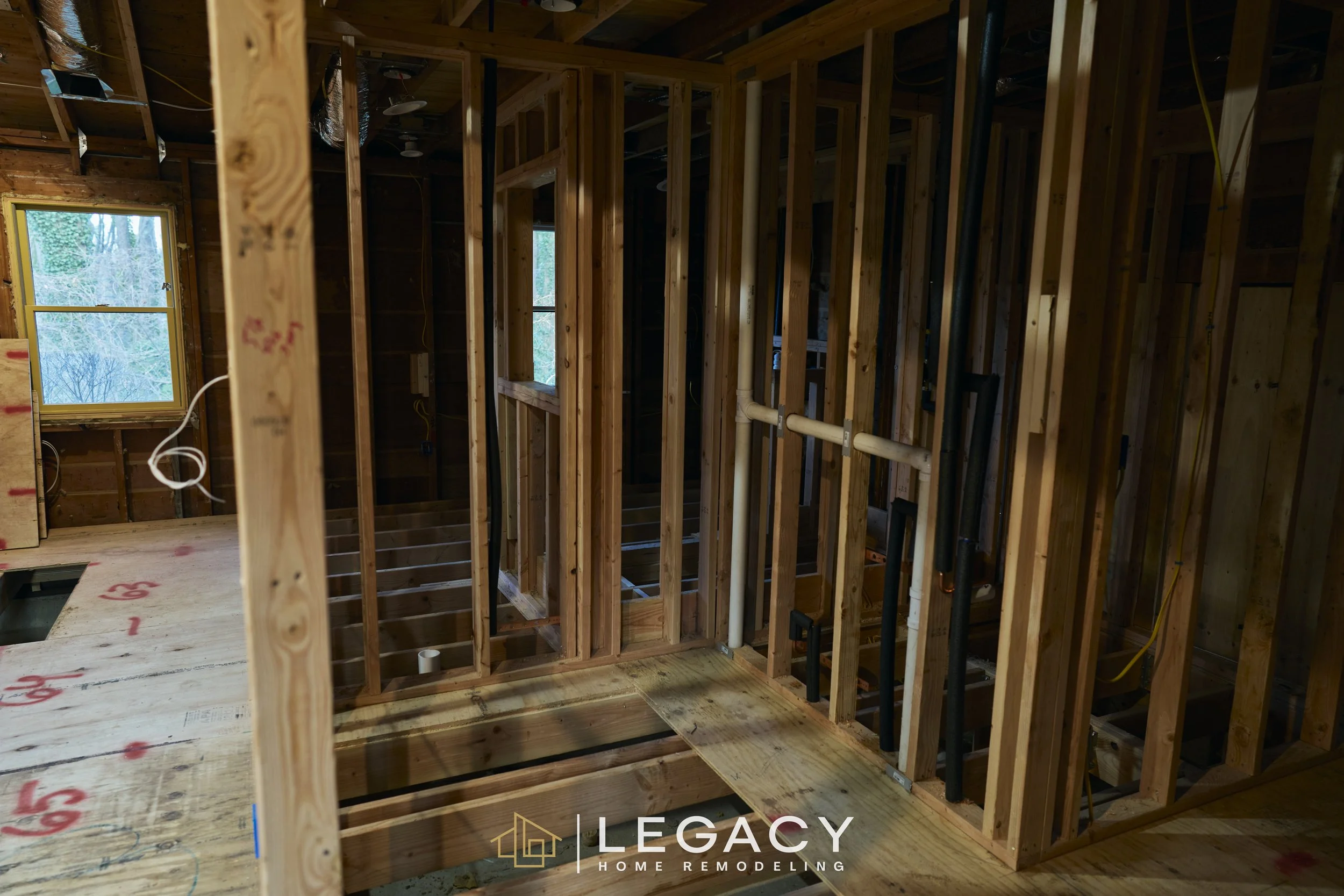
Renovation budgeting tips often focus on cutting costs, but choosing the cheapest materials can lead to higher expenses later. Low-quality fixtures may fail within a few years, leading to replacement costs.
Focus on value rather than just the price tag. For example, quartz countertops might have a higher upfront cost than laminate, but their durability and low maintenance provide better long-term financial value. Our team helps you navigate these choices to find materials that fit your aesthetic without breaking the bank.
Timeline Delays and Their Impact on Your Remodeling Budget
Time is literally money in the world of construction. When a project sits idle, costs can rise due to extended equipment rentals or labor rescheduling.
Common causes of delays include:
Backordered materials or custom orders.
Inclement weather affecting exterior work.
Unforeseen structural issues behind walls.
To protect your remodeling budget, ensure your contractor has a proven track record of meeting deadlines. Clear communication ensures that even if a delay occurs, the financial impact is minimized through proactive project cost management.
Proven Cost-Control Strategies to Keep Your Remodeling Project on Track
To ensure your vision comes to life without financial stress, implement these renovation cost control strategies:
Finalize Selections Early: Choose your tiles, paint colors, and fixtures before the work begins to avoid rush shipping fees.
Read the Fine Print: Ensure your contractor agreement clearly outlines payment schedules and responsibilities.
Keep a Paper Trail: Document every conversation and receipt to track your spending in real time.
Trust the Professionals: Hiring an experienced team prevents costly DIY mistakes and ensures the job is done right the first time.
FAQ
What is the most common cause of budget overruns in home remodeling?
The most frequent cause is a combination of hidden structural issues and "scope creep," where homeowners add new tasks to the project after work has already started.
How much extra budget should I set aside for unexpected costs?
It is standard industry practice to keep a contingency fund of 10% to 20% of your total project estimate to cover any unforeseen repairs or changes.
Can I reduce remodeling costs without sacrificing quality?
Yes. You can save by keeping the existing layout to avoid moving plumbing or gas lines and by choosing mid-range materials that offer high durability.
How do I make sure my contractor stays within budget?
Always sign a detailed contract with a fixed price or a clear "not-to-exceed" clause and insist on written change orders for any deviations from the plan.
Is it cheaper to remodel in phases or all at once?
While remodeling in phases helps with cash flow, doing it all at once is usually cheaper overall because it reduces the cost of repeated mobilization, permits, and labor setups.
Conclusion
Managing a large renovation requires a balance of vision and discipline. By focusing on strategic planning, setting a realistic budget, and avoiding the pitfalls of scope creep, you can ensure your project remains a joy rather than a financial burden. Remember that the right partner makes all the difference in navigating the complexities of construction costs while delivering high-quality results.
If you are ready to start your next project with a team that values your investment as much as you do, we are here to help. Contact Legacy Home Remodeling, Inc. today to schedule your consultation. You can also visit our website or request a consultation to see how we can help you avoid budget overruns in large projects.