Design Consistency Tips Across the Whole Home
Creating a cohesive home can feel difficult when every room has a different purpose and style. Many homeowners struggle to balance personal preferences with a unified design. This is where Design Consistency Tips Across the Whole Home become essential. A well planned design approach ensures your home feels connected, functional, and visually appealing from one space to another.
Whether you are planning a renovation or updating individual rooms, working with professional home remodeling services can help bring your vision together with clarity and structure.
Why Design Consistency Matters in a Home
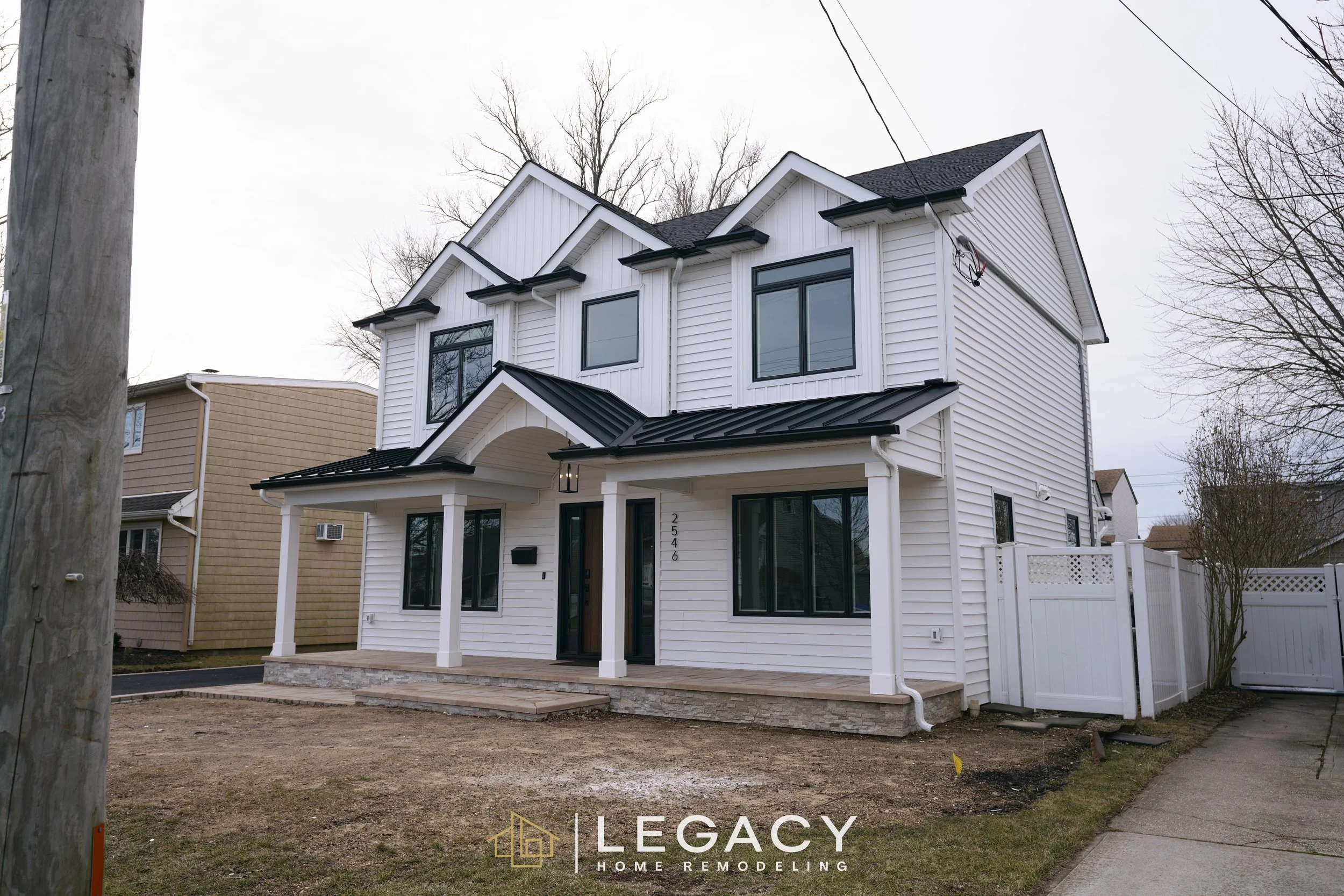
Homes often feel disconnected when each room is designed separately without a clear plan. This leads to mismatched colors, uneven finishes, and layouts that do not flow well. Over time, the home starts to feel cluttered instead of comfortable. Applying design consistency across your entire home creates a sense of balance. It improves movement between spaces and makes your home feel more intentional.
A consistent design also increases long term value, especially for homeowners in Nassau and Suffolk County who plan future upgrades or resale.
Start With a Clear Design Direction
Before choosing materials or layouts, define a clear design theme for your entire home.
Choose a base style
Modern
Transitional
Traditional
Minimal
Once you decide, keep that style consistent across all rooms.
Use a unified color palette
Stick to a core set of colors and use variations throughout the home. Neutral tones often work well as a base, with accent colors added in smaller details.
Maintain material consistency
Using similar finishes such as wood tones, flooring, or cabinetry helps connect spaces visually.
If you are planning a full upgrade, reviewing options like New construction Merrick can give you a better idea of how consistent design is applied across an entire home from the start.
Keep Flooring and Finishes Aligned
Flooring plays a major role in tying spaces together.
Use continuous flooring when possible
Hardwood across main living areas
Matching tile tones in bathrooms and kitchens
Consistent transitions between rooms
Coordinate finishes
Cabinet hardware
Light fixtures
Door handles
Trim styles
Even small mismatches in finishes can break the visual flow.
For homeowners updating key areas, combining design consistency with upgrades like kitchen remodeling can create a stronger connection between spaces.
Create Flow Between Rooms
A home should feel easy to move through. Each room should connect naturally to the next.
Open layouts help: Open concept designs improve visibility and movement between spaces like the kitchen and living room.
Repeat design elements: Use similar shapes, materials, or colors in different rooms to create familiarity.
Balance function and style: Each room should meet its purpose while still aligning with the overall design.
If you are expanding your home, working with experienced home extension builders ensures that new spaces blend seamlessly with existing ones.
Focus on Lighting Consistency
Lighting affects how each room feels and connects visually.
Layer your lighting
Ambient lighting for general use
Task lighting for specific areas
Accent lighting for design highlights
Match fixture styles: While each room can have unique lighting, the style should feel related across the home.
Use consistent color temperature: Warm or cool lighting should remain consistent to avoid visual contrast between rooms.
Design Bathrooms and Kitchens With Unity in Mind
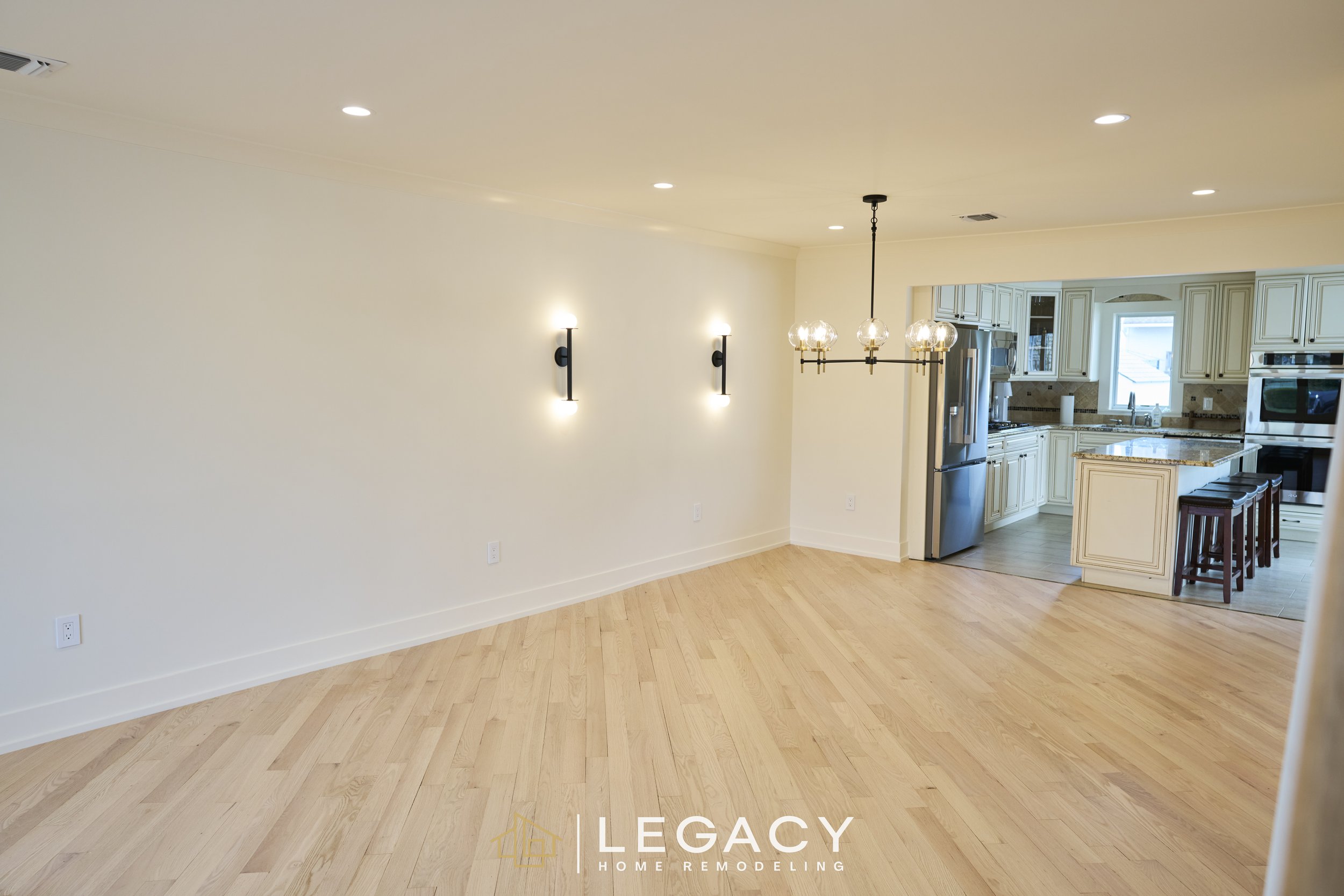
Bathrooms and kitchens often have different materials, but they should still feel connected to the rest of the home.
Keep color schemes aligned: Use similar tones across cabinets, tiles, and countertops.
Repeat materials where possible: For example, using similar stone or finishes in both spaces creates continuity.
Focus on layout flow: Ensure these spaces connect well with adjacent rooms.
Upgrading spaces through bathroom remodeling can help align these rooms with your overall home design.
Plan for Long Term Consistency
Design is not just about how your home looks today. It should also support future changes.
Think ahead: Choose materials and layouts that will still work if you remodel later.
Avoid trends that age quickly: Stick to timeless elements and add trends through décor.
Work with professionals: Experienced contractors help maintain consistency across multiple projects.
Legacy Home Remodeling specializes in full home remodels, extensions, and new construction. Their approach ensures every detail is aligned from planning to execution.
Common Mistakes That Break Design Consistency
Avoiding these mistakes helps maintain a cohesive home design:
Mixing too many design styles
Using unrelated color palettes
Choosing different flooring in connected spaces
Ignoring lighting consistency
Updating rooms separately without a plan
These issues often appear when renovations are done in stages without a clear strategy.
How Professional Remodeling Helps Maintain Consistency
Working with a general contractor brings structure to your design decisions.
Benefits of professional planning
Unified design across all rooms
Better material selection
Improved layout planning
Clear timelines and execution
Legacy Home Remodeling brings three generations of experience to projects across New York. Whether it is kitchens, bathrooms, dormers, or full house remodels, their team focuses on precision and consistency.
Bring Your Home Together With a Clear Plan
Following the right Design Consistency Tips Across the Whole Home helps you create a space that feels connected, functional, and comfortable. From flooring and lighting to layouts and finishes, every detail plays a role.
If you are planning a renovation or new build, working with a trusted contractor ensures your vision stays consistent from start to finish. Legacy Home Remodeling offers expert guidance, thoughtful planning, and quality execution to help homeowners create spaces that truly work.
Frequently Asked Questions
What is design consistency in a home?
It means maintaining a unified style, color palette, and material selection across all rooms.
Why is design consistency important?
It improves visual flow, comfort, and overall home value.
Can I mix different styles and still keep consistency?
Yes, but they should complement each other and follow a common theme.
How do I start planning a consistent home design?
Begin with a base style, choose a color palette, and apply it across all rooms.
Should I remodel all rooms at once for consistency?
Not always, but having a clear plan ensures future updates stay aligned.
How can a contractor help with design consistency?
A professional ensures materials, layouts, and finishes work together across the entire home.