Fresh first-floor remodel ideas often leads homeowners to one clear solution: opening up the layout. An open-concept floor plan is one of the most effective ways to modernize a home and increase its resale value. Many older houses were built with closed-off rooms that can feel dark and restrictive. Removing unnecessary walls allows natural light to flow freely and helps create a seamless home layout that feels open, connected, and welcoming perfect for today’s lifestyles. Homeowners considering first-floor remodeling in Nassau County often choose open-concept designs to create a more spacious and functional living environment that enhances both comfort and property appeal.
This guide explores how to plan a first-floor renovation that blends visual appeal with everyday functionality. From key structural considerations to the final design details, you’ll learn how to approach a remodel that feels comfortable, intentional, and professionally executed.
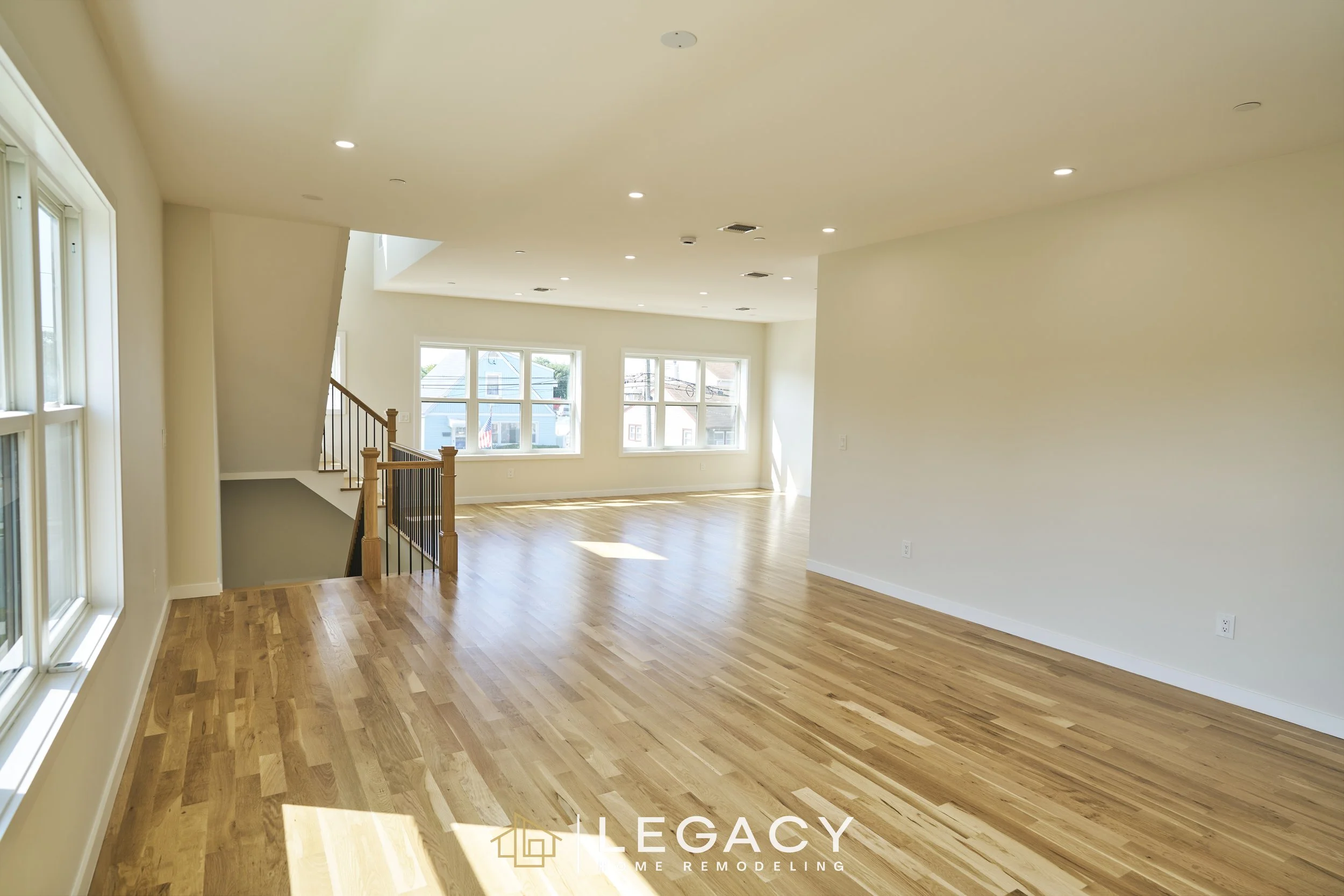
Open Up the Main Level Without Losing Function
The most common starting point for an open-layout home remodel is removing walls to connect the kitchen, dining, and living rooms. However, "open" shouldn't mean "empty." You must maintain the home’s structural integrity and organizational logic.
Structural Assessment: Before swinging a sledgehammer, identify load-bearing walls. These are essential for supporting the weight of the floors above.
Support Solutions: If a wall is load-bearing, it can often be replaced with an LVL (Laminated Veneer Lumber) beam or a steel I-beam. This allows for a flush ceiling look while keeping the house standing.
Permitting and Safety: Professional remodeling requires proper building permits and inspections to ensure code compliance. Skipping this step can lead to safety hazards and issues during a future home sale.
Smart Storage: When you lose walls, you lose places for cabinets and closets. Compensate by integrating built-in shelving or a walk-in pantry to maintain storage continuity.
Create Visual Flow Between Kitchen, Dining, and Living Areas
A successful modern open floor plan relies on sightlines. When you stand in the kitchen, you should feel connected to the guests in the living area without feeling like you are "in" the laundry or mudroom.
The kitchen remodel is the heart of this transition. Consider an oversized island or a peninsula; these act as a bridge between the cooking zone and the social zone. Positioning your dining table between the kitchen and the living room creates a natural progression for entertaining. To keep the look cohesive, ensure that your cabinet finishes and countertop materials complement the furniture and decor in the adjacent living room layout.
Use Layout Zoning to Define Spaces Naturally
One challenge of open-concept living is the "gymnasium effect," where a room feels too large and cavernous. Layout zoning is the art of defining specific areas without using floor-to-ceiling walls.
Furniture Arrangement: Use the back of a sofa to "wall off" the living area from the dining space.
Area Rugs: Rugs act as visual anchors, telling the eye exactly where one functional zone ends and another begins.
Ceiling Treatments: A coffered ceiling over the dining area or a tray ceiling in the living room can define spaces vertically.
Architectural Details: Partial walls, decorative columns, or double-sided fireplaces add character while maintaining an open living space design.
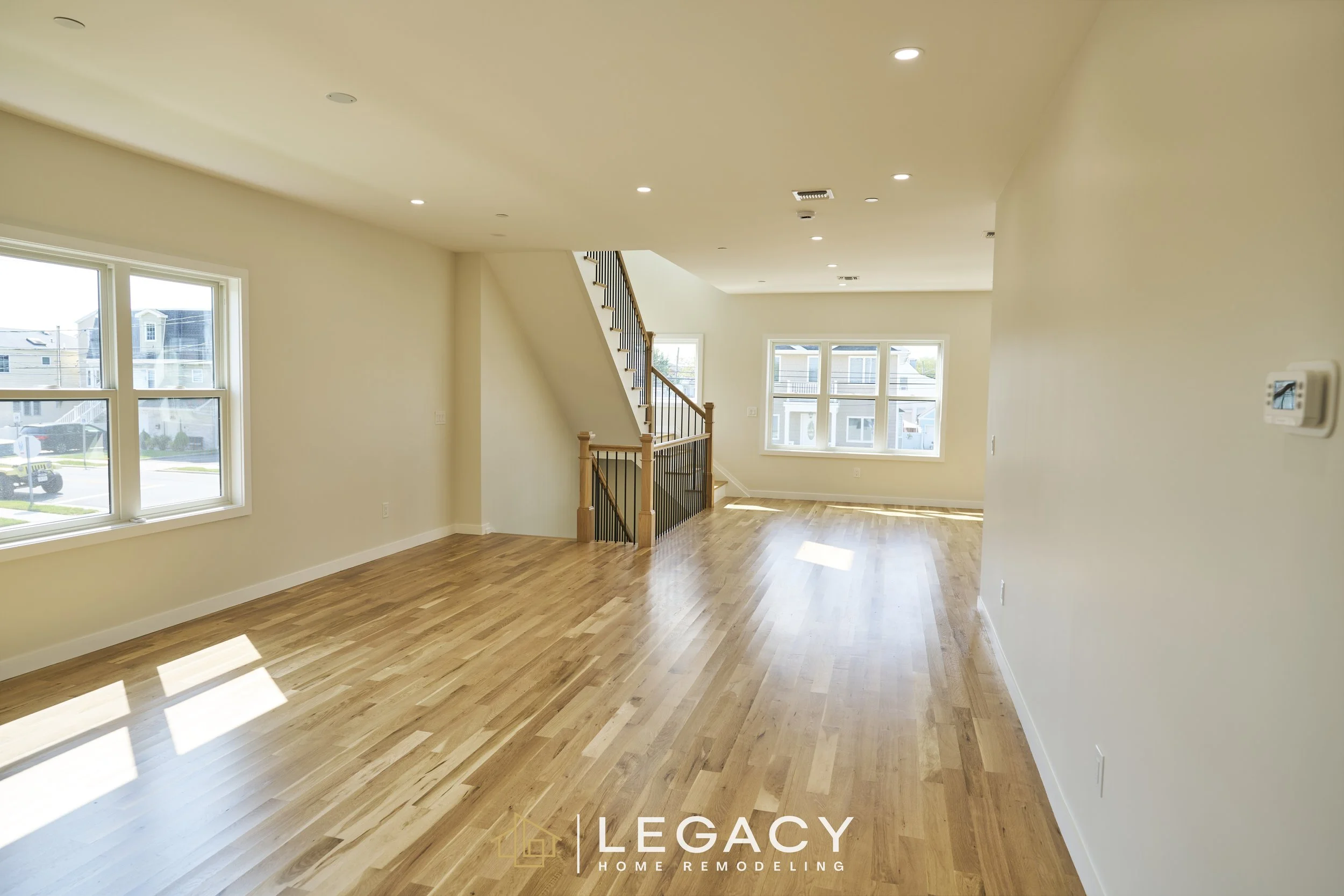
Upgrade Lighting to Match an Open-Concept Lifestyle
Interior lighting design is often overlooked but is critical for a functional open layout. In a wide-open space, a single overhead light won't suffice; you need layered lighting to prevent shadows and glare.
Ambient Lighting: General illumination, usually from recessed "can" lights spaced evenly across the ceiling.
Task Lighting: Focused light for specific jobs, such as pendant lights over the kitchen island or under-cabinet LEDs for food prep.
Accent Lighting: Wall sconces or picture lights that highlight artwork or architectural features.
Incorporate dimmers and smart controls to adjust the mood. You may want the kitchen bright for cooking while keeping the living area dim for a movie night.
Choose Materials That Tie the Whole Floor Together
To achieve a professional open kitchen living room aesthetic, consistency is key. Using the same flooring throughout the entire first floor is the best way to make the space feel larger and more unified.
When selecting materials, prioritize durability. Luxury Vinyl Plank (LVP) or engineered hardwood are excellent choices because they handle the moisture of a kitchen while offering the warmth desired in a living area. Beyond flooring, try to coordinate your trim work, baseboards, and paint palette. A unified color scheme prevents the "choppy" feel that occurs when different rooms have drastically different styles.
Remodel With Flexibility for Changing Family Needs
Your home should evolve with you. When brainstorming first-floor remodel ideas, think about how you might use the space in five or ten years.
Multipurpose Zones: A small nook can serve as a home office now and a homework station later.
Future-Proofing: During the "walls-open" phase, install extra outlets, USB ports, and low-voltage wiring for future tech needs.
Accessibility: Consider wider doorways and curbless transitions to ensure the first floor remains navigable for all ages and abilities.
Before you begin tearing down walls, it is vital to understand, when remodeling a house, what comes first to ensure your project stays on track and within budget.
FAQs
What rooms work best in a first-floor open layout?
The most successful combinations involve the kitchen, dining room, and family room. Mudrooms, powder rooms, and home offices are usually kept private to contain messes or noise.
How do you keep privacy in an open-concept remodel?
Use "pocket" zones or alcoves. Sliding barn doors or frosted glass partitions can provide temporary privacy for a home office without permanently closing off the floor plan.
Is removing walls always necessary for open-concept living?
Not necessarily. Sometimes widening a doorway or replacing a solid door with a glass French door can create the desired sense of openness without structural changes.
What flooring looks best across an open first floor?
Wide-plank wood or wood-look tiles provide a classic, high-end appearance that flows beautifully from the front door through to the kitchen.
How can lighting improve an open floor plan design?
Lighting defines the "vibe" of each zone. By using separate circuits for different areas, you can visually separate the kitchen from the lounge area using only light and shadow.
Conclusion
Transforming your home with an open-concept layout is an exciting journey that requires careful planning, structural expertise, and an eye for design. By focusing on flow, zoning, and high-quality materials, you can create a space that feels both expansive and cozy. Remember, significant structural changes require professional oversight to ensure safety and longevity. Are you ready to bring your vision to life? Contact Legacy Home Remodeling, Inc. today for a professional consultation, and let our experts help you implement the best first-floor remodel ideas for your home.