Homeowners often search for practical kitchen remodel tips when they want to upgrade a small kitchen without unnecessary stress. Small kitchens can feel limited, but with the right guidance, layout choices, and smart project planning, a compact space can work better than ever. Whether you want more storage, better lighting, updated finishes, or a full renovation, effective tips for kitchen remodel success help you make informed decisions and avoid common mistakes.
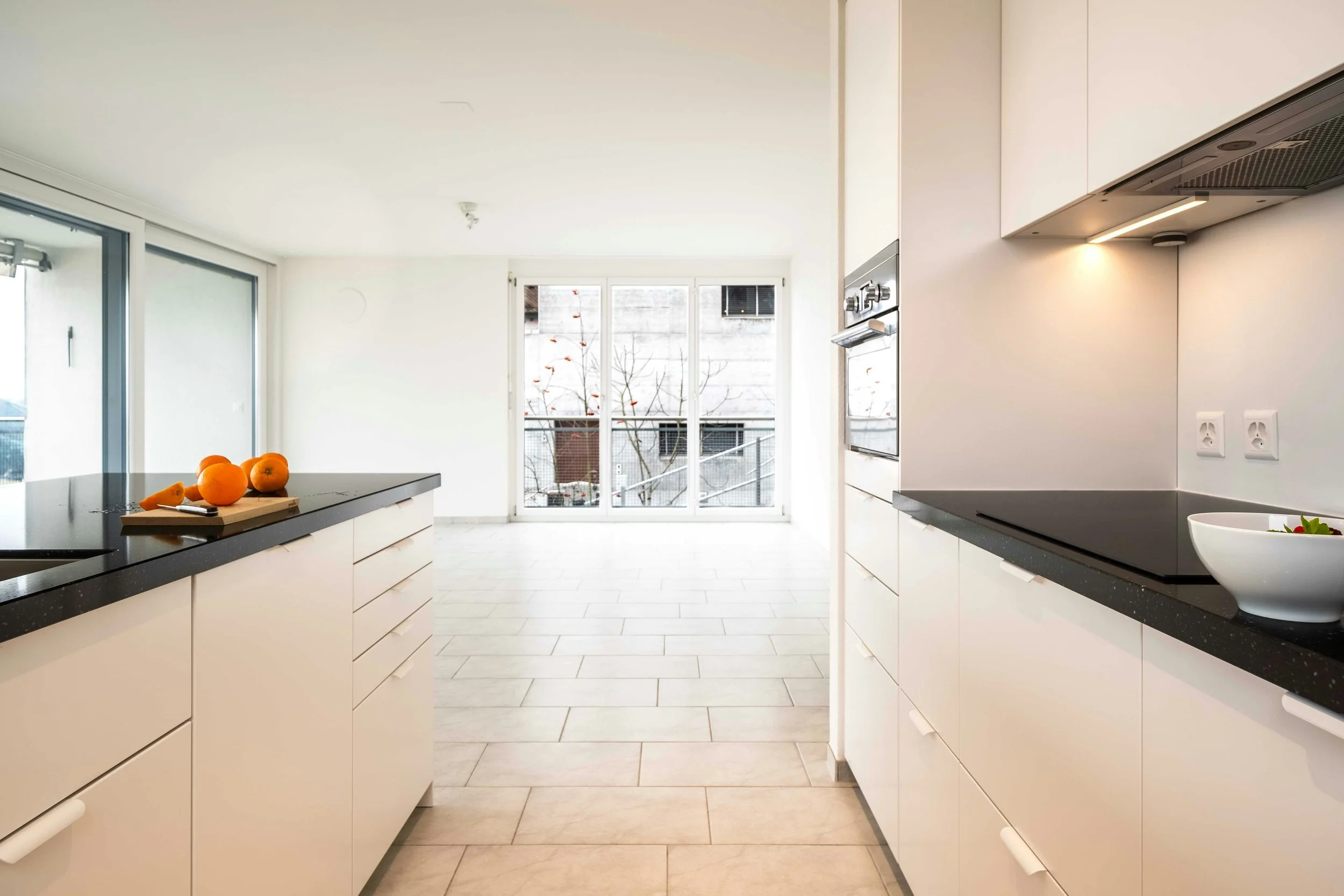
This guide covers planning, design, budgeting, storage, project management, and contractor selection. These steps help Long Island homeowners approach their remodel with clarity and confidence.
Planning Your Small Kitchen Remodel Effectively
Good planning removes guesswork and helps the entire project run smoothly. Before any construction begins, focus on organizing your ideas, setting priorities, and understanding your layout.
Assess your current layout
Look at how well your kitchen supports daily tasks. Many small kitchens benefit from layouts like a galley kitchen layout, L shaped kitchen design, or U shaped kitchen layout. These designs improve flow and make cooking easier.
Understand the kitchen work triangle
The kitchen work triangle refers to the arrangement of the sink, stove, and refrigerator to support smooth movement while cooking. Keeping these zones efficient helps reduce movement and supports faster meal prep.
Schedule a design consultation
A kitchen design consultation with a professional gives you clarity about the choices available for your space. This gives you layout ideas, realistic timelines, and design recommendations before you begin.
Review past transformation examples
If you need inspiration, check out small kitchen remodel before and after ideas to understand what is possible for compact kitchens.
Budgeting Tips for Kitchen Renovation Success
Budgeting is an important part of any kitchen renovation. A clear financial plan helps you stay organized and avoid unexpected costs.
Create a realistic budget
Start by estimating how much you can invest. Include materials, labor, appliances, lighting, and unexpected expenses. Add a 10 to 15 percent contingency budget planning amount for surprises.
Compare materials and finishes
Cost does not always reflect durability. Look into options like:
Cabinet refacing options after evaluating existing cabinet frames
Quartz surfaces for easy maintenance
Granite countertops for long lasting value
Tile backsplash design for a simple upgrade
These materials add value without overspending.
Check contractor estimates carefully
Request written proposals with clear details. A trustworthy kitchen remodeling company provides a clear breakdown of labor, materials, and any required permit costs.
Layout and Design Tips for Small Kitchens
Layout and design choices create the foundation of a successful remodel. These kitchen remodel and upgrade tips help you use space wisely.
Optimize your workflow
Small kitchens need strong flow. Choose layouts that support your daily routine and reduce clutter.
Add functional elements
Even in compact spaces, well planned features improve usability:
Slim appliances
A small kitchen island functionality option when possible
Adequate countertop workspace
Light color choices to brighten the room
Focus on lighting
Use layered kitchen lighting with a mix of overhead, task, and accent lighting. Under cabinet task lighting improves visibility and makes the kitchen feel open.
Smart Storage Solutions That Maximize Space
Maximizing storage is often a major challenge in small kitchens. These ideas help increase capacity and keep countertops clutter free.
Pull out shelves and organizers for deep cabinets
Custom cabinetry solutions for awkward corners
Vertical storage optimization to use wall space
Floor to ceiling cabinets for increased capacity
Hidden drawers inside base cabinets
Storage inside island units
These solutions help you create a clear workspace and make cooking more efficient.
Choosing the Right Materials and Finishes
Materials and finishes influence style, durability, and maintenance. Choose options that hold up to daily use and offer long term value.
Countertops
Quartz and granite offer strong durability. They resist stains and work well in busy kitchens.
Cabinets
Cabinet refacing is a smart alternative when frames are solid. You can refresh the look by replacing doors, hardware, and finishes without overspending.
Floors
Explore durable flooring options like tile, luxury vinyl plank, or engineered wood. These materials handle daily wear without damage.
Backsplashes
A clean tile backsplash design supports easy cleaning and works well in small kitchens.
Hiring the Right Kitchen Remodeling Contractor
The remodel experience improves greatly when you work with a licensed, bonded, insured team. A reliable general contractor handles permits, inspections, timelines, and the entire remodeling process.
Check qualifications
Choose a licensed bonded insured contractor with experience in small kitchen remodels.
Ask clear questions
Before signing, ask:
How long will my project take
How many subcontractors will be involved
Who handles building permits and inspections
What warranty is provided
Who manages daily work
Explore local expertise
Legacy Home Remodeling provides reliable kitchen remodeling services supported by positive feedback from Long Island homeowners. If you want a local example, look at Kitchen remodel Merrick to see real neighborhood projects.
Kitchen Remodel Project Management Essentials
Effective project management keeps your remodel on schedule and organized. These kitchen remodel project management tips help maintain steady progress.
Set a realistic construction timeline
Discuss start and end dates with your contractor. Good construction timeline management ensures steady work and proper coordination.
Stay organized during the remodel
Track orders, deliveries, changes, and inspections. Keep communication open with your project manager.
Check progress regularly
Small issues can be handled quickly when identified early. Communicate any concerns as soon as possible.
Common Kitchen Remodel Mistakes to Avoid
Avoiding common mistakes helps create a smooth renovation experience.
Not planning enough storage
Overlooking lighting needs
Choosing materials based on appearance only
Not setting a contingency budget
Not verifying permits before starting
Hiring a contractor without proper credentials
Avoiding these issues keeps your renovation on track and supports better results.
Ready to Start Your Remodel
Following the right kitchen remodel tips helps you complete a small kitchen renovation with better planning, clearer budgeting, and smoother project management. If you want personalized guidance, you can schedule a kitchen design consultation with Legacy Home Remodeling to review layout ideas, materials, and your next steps.
Frequently Asked Questions
What is the kitchen work triangle and why does it matter for my remodel?
It supports better movement between the sink, stove, and refrigerator. A balanced layout improves workflow.
How do I create a realistic budget for my kitchen renovation project?
Review costs for materials, labor, appliances, permits, and add a contingency amount for unexpected needs.
What permits do I need for a kitchen remodel and who handles them?
Your contractor typically manages building permits and inspections through the local building department.
How can I stay organized during a kitchen remodeling project?
Track timelines, deliveries, and communication with your project manager. Stay updated on daily progress.
What questions should I ask a kitchen contractor before hiring them?
Ask about timelines, warranties, past experience, permit handling, and whether they are licensed, bonded, and insured.
Should I keep my existing kitchen layout or change it completely?
If your current layout supports good flow, you may keep it. If not, changing the layout can improve function and space.