Learning how to remodel a bathroom is one of the most rewarding home improvement projects you can take on. Whether you are looking to increase your property value or simply want a more relaxing space to start your day, a successful renovation requires careful preparation. A well-executed plan ensures your new bathroom is both beautiful and functional while staying within your desired bathroom remodel cost.
Start With a Clear Vision for Your Bathroom Upgrade
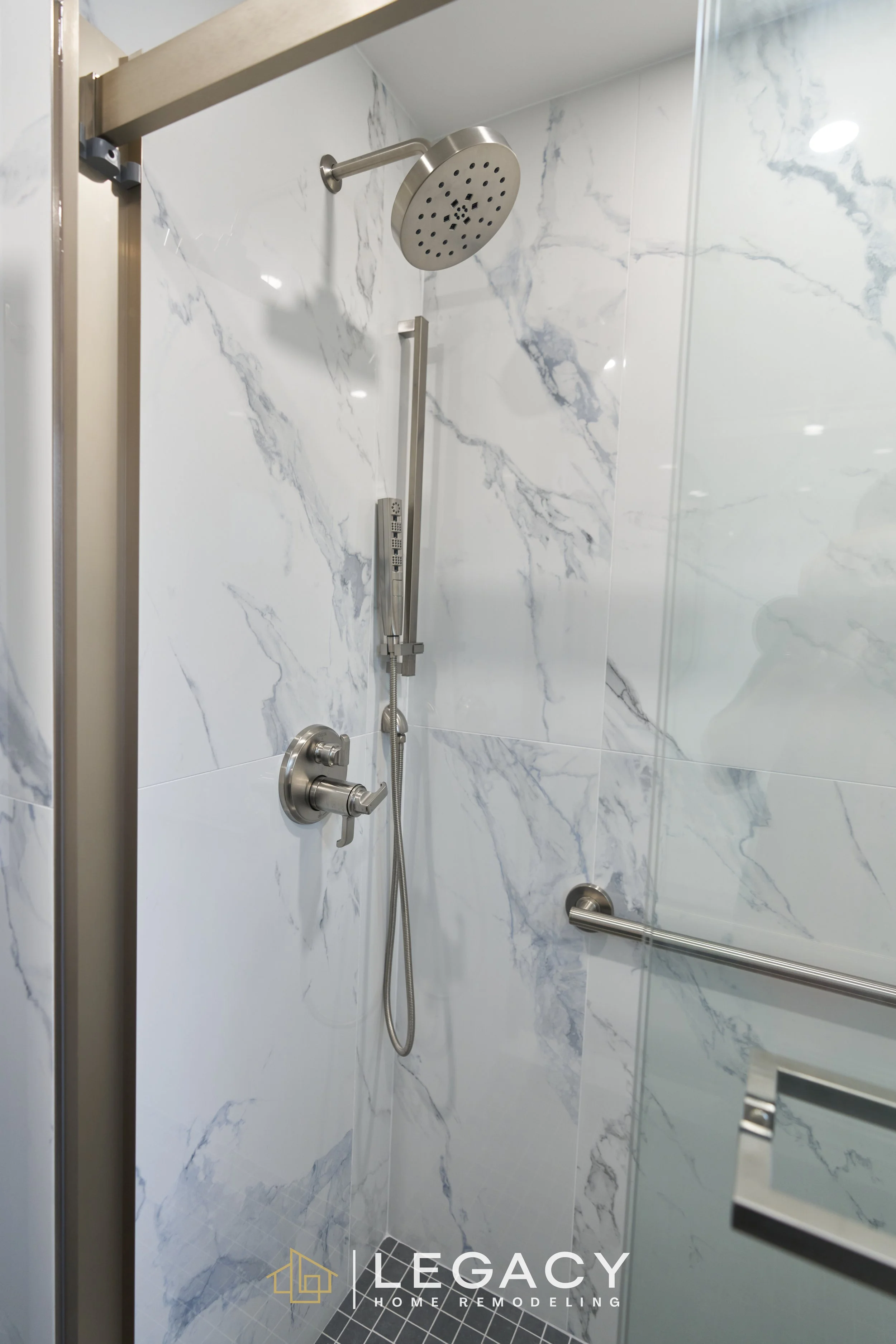
Before you pick up a sledgehammer, you need a solid idea of what you want to achieve. Are you looking for a small bathroom remodel to save space, or are you creating a spa-like master retreat?
Start by gathering bathroom remodel ideas from magazines or online galleries. Think about the "why" behind your project:
Do you need more storage for towels and toiletries?
Are you looking to replace an old tub with a modern walk-in shower?
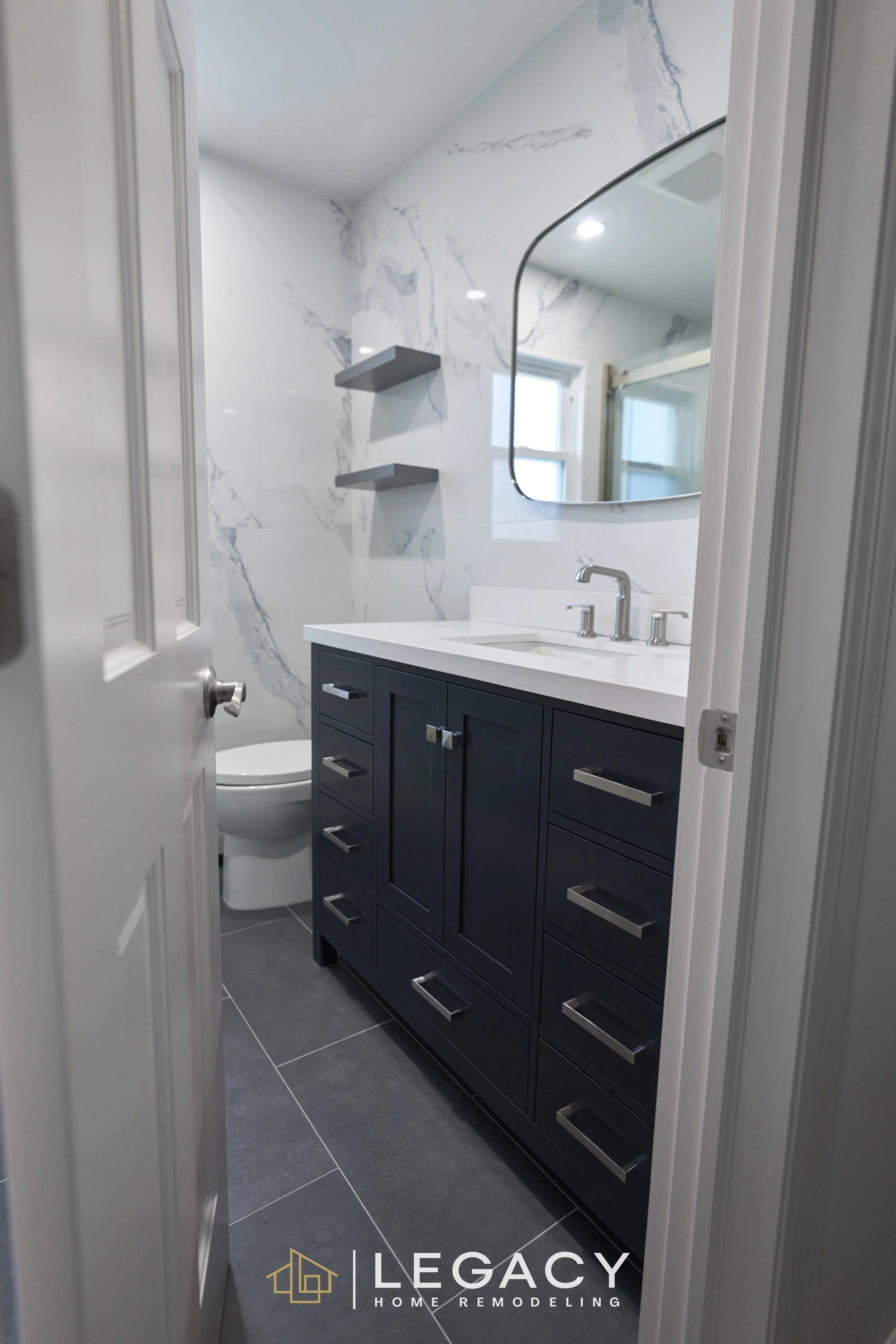
Do you want to update the aesthetic with new bathroom vanities and lighting?
Having a clear vision prevents "scope creep," where the project gets bigger and more expensive than you originally intended.
Set a Realistic Bathroom Remodel Budget Early
Your budget is the foundation of your entire project. It dictates the quality of materials you can buy and whether you can hire professional remodeling contractors or do some of the work yourself.
When calculating the cost of remodeling a bathroom, remember to account for
Labor: Usually 20% to 40% of the total cost.
Materials: Tile, flooring, paint, and fixtures.
Fixtures: Toilets, sinks, and faucets.
Buffer: Always set aside an extra 10–15% for "hidden" issues, like water damage behind walls.
For a deeper dive into financial planning, check out our guide on the cost of remodeling a bathroom.
Design a Layout That Maximizes Comfort and Space
A great bathroom remodel isn't just about looks;it’s about how the room flows. If you are working on a small bathroom remodel, every inch counts.
Consider the "wet wall"—the wall where the plumbing pipes are located. Keeping your toilet, sink, and shower in their original locations will save you thousands of dollars. However, if the current layout is cramped, moving a vanity or changing a door swing can significantly improve the home's usability.
Choose Durable Materials That Match Your Style
Bathrooms are high-moisture environments, so durability is just as important as appearance. When selecting materials, prioritize items that can withstand humidity and frequent cleaning.
Flooring: Porcelain or ceramic tile is often better than natural stone because it is less porous.
Countertops: Quartz is a popular choice for bathroom vanities because it is stain-resistant and requires no sealing.
Paint: Use a semi-gloss or satin finish that resists mold and mildew.
Plan Plumbing, Electrical, and Ventilation Ahead
This is the "invisible" part of a renovation, but it is the most critical. You must ensure your home’s infrastructure can support your new design.
Plumbing: Check for old galvanized pipes that might need replacing with PEX or copper.
Electrical: Ensure you have enough GFCI outlets near the vanity and that your circuit can handle high-draw items like hair dryers or heated floors.
Ventilation: A high-quality exhaust fan is non-negotiable. Without proper airflow, even the most expensive bathroom remodel will eventually suffer from mold and peeling paint.
Create a Timeline and Prepare for the Remodel Process
A typical bathroom remodel can take anywhere from three to six weeks, depending on the complexity. If you only have one bathroom in your home, you will need to make arrangements for where to shower during the construction phase.
The general steps of the process include:
Demolition and debris removal.
Rough-in plumbing and electrical work.
Drywall and painting.
Tiling and flooring installation.
Setting the vanity, toilet, and hardware.
FAQ
How long does a typical bathroom remodel take?
Most professional renovations take 3 to 5 weeks. If you are moving plumbing or electrical lines, it may take longer due to inspections and permits.
What should I prioritize first when planning a bathroom remodel?
Prioritize the layout and budget. Knowing exactly how much you can spend and where the major fixtures will go prevents costly changes later in the project.
Can I remodel a bathroom without changing the layout?
Yes! This is called a "pull-and-replace" remodel. It is much faster and more affordable because you don't have to move the plumbing or knock down walls.
What are common mistakes to avoid during a bathroom remodel?
Common mistakes include inadequate ventilation, choosing "pretty" materials that aren't water-resistant, and not hiring licensed remodeling contractors for complex plumbing and electrical work.
Conclusion
Planning a bathroom remodel is a journey that requires a balance of creativity and technical precision. Whether you are considering a modern upgrade or a complete a Nassau County bathroom remodel, setting a firm budget, choosing the right materials, and focusing on a functional layout can help transform a dated space into a stunning highlight of your home.
Remember, the best results come from a mix of great bathroom remodel ideas and professional execution. Take the time to plan every detail, and you will enjoy a beautiful, high-value space for years to come.
If you're ready to take the next step in your home improvement journey, exploring professional design and installation services can help ensure your project is completed on time and within budget. Knowing how to remodel a bathroom the right way is the key to a stress-free renovation.