Thinking about a kitchen makeover is exciting, but it can also feel overwhelming when you realize how many moving parts are involved. Whether you are looking for fresh kitchen remodel ideas or planning a complete new kitchen remodel, the secret to success lies in the details of the planning phase. Kitchen design is about more than just picking out pretty tiles; it is about creating a workflow that makes cooking easier and a space where people naturally want to gather.
If you are ready to transform your space, this guide will walk you through the essential steps of a professional kitchen remodel service, helping you act as your own kitchen planner to create the heart of your home.
Start With a Kitchen Layout That Actually Works
The foundation of any great design is the layout. You need to consider the "work triangle," the distance between your sink, stove, and refrigerator. A well-placed triangle minimizes steps and maximizes efficiency. When considering a kitchen makeover, think about how you move through the space.
Common layouts include U-shaped, L-shaped, and galley kitchens. If you have the space, adding an island can provide extra prep surface and seating. During the design-build phase, ensure there is enough "clearance" for cabinet doors and appliances to open fully without hitting one another. A functional layout is the difference between a kitchen that looks good and one that is a joy to use.
Choose Cabinets and Storage That Maximize Every Inch
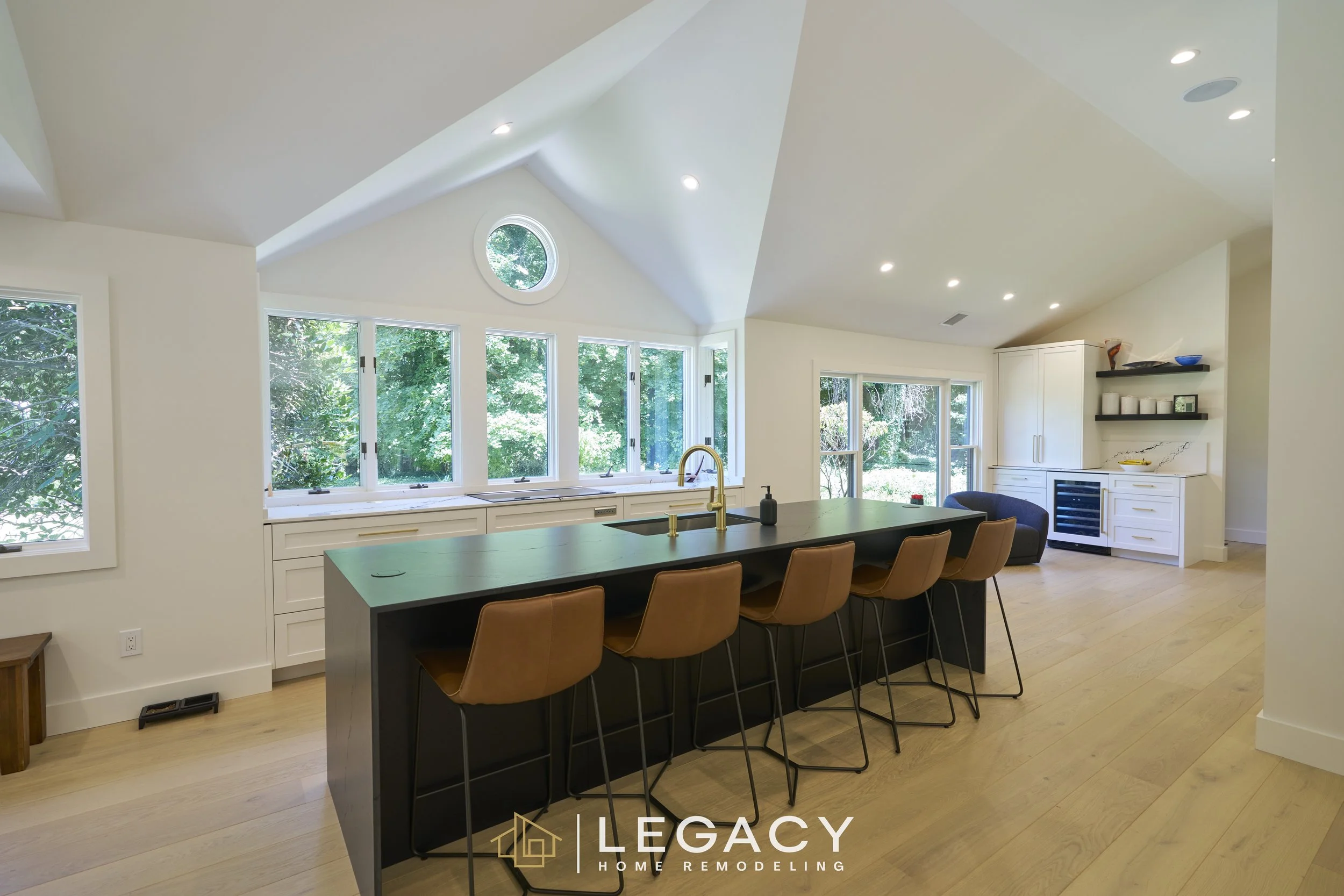
One of the biggest complaints homeowners have is a lack of space. When planning your kitchen remodel, prioritize smart storage. Standard lower cabinets are great, but deep drawers are often better for heavy pots and pans.
To maximize every inch:
Use pull-out spice racks and corner "Lazy Susans."
Install floor-to-ceiling cabinetry for items you don't use daily.
Consider open shelving for a modern look, but balance it with closed storage to hide clutter.
Effective storage is a key factor in the overall kitchen remodel cost, as high-quality cabinetry is often the largest investment, but it provides the highest return on daily usability.
Pick the Right Countertops for Style and Durability
Your countertops are the workhorses of the room. When exploring kitchen remodel ideas, you must weigh aesthetics against maintenance. Quartz is a top choice for many because it is non-porous and resists stains. Granite offers a unique, natural look but requires occasional sealing. If you want a professional chef’s vibe, stainless steel is incredibly durable, while butcher block adds warmth but needs regular oiling. Pick a material that fits your lifestyle and your budget.
Lighting Choices That Transform Your Kitchen Space
Lighting is often an afterthought, but it is one of the most critical design ideas. A professional-grade kitchen requires three layers of light:
Task Lighting: Under-cabinet LEDs to illuminate your workspace.
Ambient Lighting: Ceiling-mounted fixtures or recessed cans for general illumination.
Accent Lighting: Pendant lights over an island or inside glass-front cabinets to add personality.
Proper lighting makes the room feel larger and ensures you can see exactly what you’re chopping.
Select Appliances That Fit Your Cooking Habits
Don't just buy what's on sale; buy what you’ll actually use. If you love to bake, a double-wall oven might be a priority. If you’re a "prep-ahead" cook, a larger refrigerator with flexible shelving is a must. Modern kitchen remodel projects often incorporate "smart" appliances that can be controlled via smartphone, adding a layer of convenience to your daily routine. Ensure your kitchen remodel contractors have the exact dimensions of your chosen appliances before the cabinets are ordered.
Bring It All Together With Colors, Finishes, and Details
The final touches are where your personality shines. This includes your backsplash, hardware, and faucet finishes. Mixing metals—like matte black handles with a brass faucet—is a trending design choice that adds depth. Choose a color palette that complements the rest of your home to ensure a seamless flow. Whether you prefer a crisp white farmhouse look or a moody, dark modern aesthetic, consistency in your finishes will make the project look professional.
Frequently Asked Questions
1. What is the first step in designing a kitchen?
The first step is defining your goals and budget. Determine how you use the space—do you cook for large groups, or is it a social hub? Once you know your needs, you can begin looking for kitchen remodel contractors to help bring the vision to life.
2. How do I choose the best kitchen layout for my home?
The best layout depends on the size of your room and your traffic patterns. For small spaces, a galley or L-shape works best. For larger, open-concept homes, a U-shape with a center island is often the most functional choice.
3. How much storage should a kitchen have?
A kitchen should have enough storage to keep counters clear. A good rule of thumb is to calculate your current storage needs and increase them by 20% to account for future purchases and specialized gadgets.
4. What type of lighting is best for a kitchen?
A combination of recessed "can" lights for general brightness and under-cabinet task lighting is the most effective setup for safety and mood.
Start Your Transformation Today
Designing a kitchen is a journey that requires careful thought and expert execution. From the initial kitchen design sketches to the final coat of paint, every decision impacts how you live in your home. If you are looking for a high-qualitykitchen remodel in Nassau County, it is time to consult with professionals who understand the local landscape and building standards. Ready to turn your dream into a reality? Start planning your kitchen remodel today and create a space that you will love for years to come.