Basement Finishing vs Basement Remodeling: What’s the Difference?
Deciding how to handle your lower level starts with understanding the specific goals of your basement finishing project. Many homeowners use the terms "finishing" and "remodeling" interchangeably, but in the world of construction, they mean very different things. Knowing the distinction is more than just semantics. It affects your budget, your timeline, and the permits you might need. Whether you are staring at a cold concrete room or an outdated 1970s den, choosing the right path ensures you get the most out of your home while aligning with the latest renovation styles. Let’s break down the differences so you can plan your renovation with clarity.
Understanding Basement Finishing
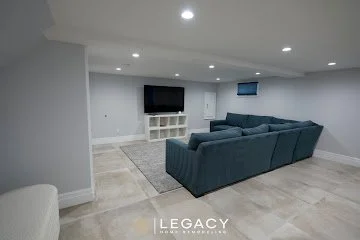
When we talk about an unfinished basement conversion, we are usually referring to a space that has never been lived in. It likely has concrete floors, exposed studs or cinder block walls, and visible pipes overhead. The basement finishing process is the act of taking that raw, "skeleton" area and turning it into a functional, comfortable part of the home.
This transformation requires several fundamental steps to meet building codes and comfort standards. It typically starts with installing insulation materials to regulate temperature and moisture. From there, the basement construction process moves into drywall installation to create solid walls. You will also need to address the "vitals" of the room, such as adding electrical wiring for lights and outlets. Finally, installing flooring systems completes the look, turning a storage cave into a bright, finished basement living space—often an essential step in achieving a complete house makeover.
What Is Basement Remodeling?
If your basement is already finished but no longer meets your needs, you are looking at a basement renovation project known as remodeling. This process focuses on basement interior upgrades for a space that is already habitable. You aren't starting from scratch. Instead, you are changing what is already there to better suit your lifestyle, often with a focus on a budget basement remodel that balances cost and functionality.
Remodeling often involves more than just a fresh coat of paint. It might include redesigning the entire layout by tearing down non-structural walls to create an open-concept feel. You might find yourself improving plumbing systems to add a wet bar or a bathroom. It often involves modifying electrical wiring for modern media centers or replacing outdated flooring systems. Essentially, remodeling takes an existing living area and gives it a second life.
Basement Finishing vs Basement Remodeling: Key Differences
The main difference between these two approaches is the starting point. With finishing, you are working with a blank slate. With remodeling, you are working with an existing design that needs to be "undone" before it can be improved. While planning your upgrades, it is also important to consider overall house exterior expenses, as both interior and exterior improvements contribute to your home’s long-term value.
Starting Condition: Finishing starts with raw concrete. Remodeling starts with existing drywall and flooring.
Construction Complexity: Finishing is a linear basement construction process. Remodeling often involves demolition and working around old hidden mistakes.
Cost: Finishing often has a more predictable price per square foot. Remodeling costs can vary wildly depending on how much "gutting" is required.
Design Flexibility: An unfinished basement conversion offers total freedom because no walls exist yet. Remodeling requires working within the constraints of the current building structure.
When Should You Choose Basement Finishing?

Finishing is almost always the best choice for new construction homes or older houses where the basement was only ever used for the furnace and storage. If you have a growing family and need a finished basement living space for a playroom or guest suite, finishing is the way to go.
Because you are starting from zero, this is the best time to ensure the job is done right. You can choose the highest quality insulation materials and ensure the drywall installation includes moisture-resistant boards. It is the most efficient way to increase the total usable square footage of your property without building an expensive addition.
When Basement Remodeling Is the Better Option
Remodeling makes sense when your basement is "done" but dysfunctional. If you moved into a home where the basement feels dark, damp, or chopped up into tiny, useless rooms, a remodel can fix those flow issues.
This is also the time to address outdated systems. If your plumbing systems are old or your electrical wiring cannot handle modern appliances, a remodel allows you to bring everything up to current safety standards. It is about modernizing the space and adding basement interior upgrades that reflect your current taste, especially when planning basement remodeling for entertainment to create a more functional and enjoyable living area.
Cost Factors for Basement Finishing and Remodeling
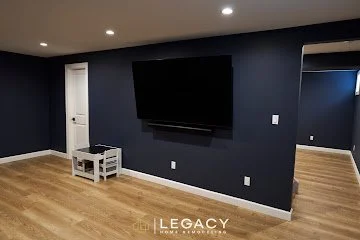
Budgeting for a basement renovation project requires looking at several different layers of the house. Both finishing and remodeling are influenced by these key factors:
Building Structure Conditions: Is the foundation dry? Moisture issues must be fixed before any work begins.
Labor: Skilled trades like plumbers and electricians are essential for a safe result.
Insulation Materials: Proper thermal barriers are a significant but necessary cost in cold climates.
Drywall and Flooring: The price fluctuates based on whether you choose basic materials or high-end finishes.
Plumbing and Electrical: Adding a bathroom or kitchen significantly increases the budget due to the need for new plumbing systems and specialized electrical wiring.
Popular Ideas for Basement Finishing Projects
The beauty of creating a finished basement living space is that you can tailor it to your specific hobbies. Since it is tucked away from the main floor, it is the perfect spot for rooms that might be too noisy for the upstairs.
Home Theater: Use the naturally dark environment for a cinematic experience.
Home Office: Create a quiet, secluded area for remote work.
Guest Bedroom: Provide visitors with their own private level of the house.
Gym: Install durable flooring systems that can handle heavy equipment.
Rental Suite: Include a kitchenette and bathroom for potential income.
Frequently Asked Questions
What is the difference between basement finishing and basement remodeling?
Finishing is the process of turning a raw, unfinished basement into a livable room by adding walls, floors, and ceilings. Remodeling involves changing or improving a basement that is already finished but needs a new layout, better materials, or updated systems.
Is basement finishing more expensive than remodeling?
Not necessarily. While finishing requires all new materials, remodeling requires demolition and labor to remove old structures. Often, remodeling can be more expensive if hidden issues like mold or faulty wiring are discovered behind existing walls during the teardown phase.
How long does a basement finishing project usually take?
A standard project typically takes between 4 and 8 weeks. This timeline allows for framing, electrical work, inspections, drywall hanging, and the final installation of flooring and trim. Remodeling projects can take a similar amount of time depending on the extent of the demolition.
Do you need permits for basement finishing or remodeling?
Yes, most local governments require permits for both. This ensures that the electrical wiring, plumbing systems, and emergency exits (like egress windows) meet safety codes. Working with a professional contractor helps ensure all paperwork is handled correctly.
Does finishing a basement increase home value?
Yes, adding a finished basement living space is one of the most effective ways to boost home value. It increases your total square footage and provides versatile space that is highly attractive to future buyers, often offering a strong return on investment.
Conclusion
Whether you are starting with a blank concrete canvas or looking to breathe new life into an old room, understanding the scope of your project is the key to success. Basement finishing and remodeling both offer incredible opportunities to expand your lifestyle and increase your home's equity. By focusing on quality materials and a smart layout, you can create a finished basement built for everyday use while turning an overlooked area into the most popular floor in your house.
At Legacy Home Remodeling, we are experts at navigating the complexities of basement transformations. From the initial layout design to the final coat of paint, our team ensures every detail is handled with professional care. If you are ready to reclaim your lower level, contact us today for a consultation and let us help you start your basement finishing journey.